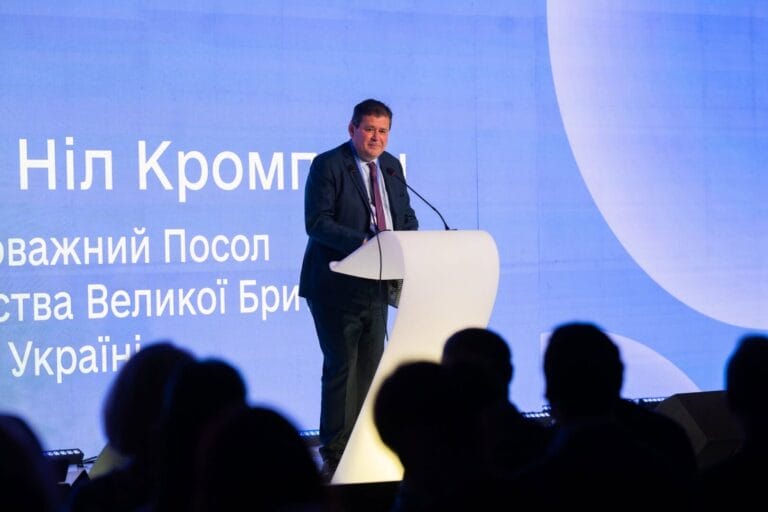
Adaptive Emergency Planning for Frontline and Border Hromadas
Ukraine’s international partners, through the Partnership Fund for a Resilient Ukraine (PFRU), support initiatives that help frontline and border hromadas plan for and respond to emergencies and strengthen their resilience in crisis conditions.
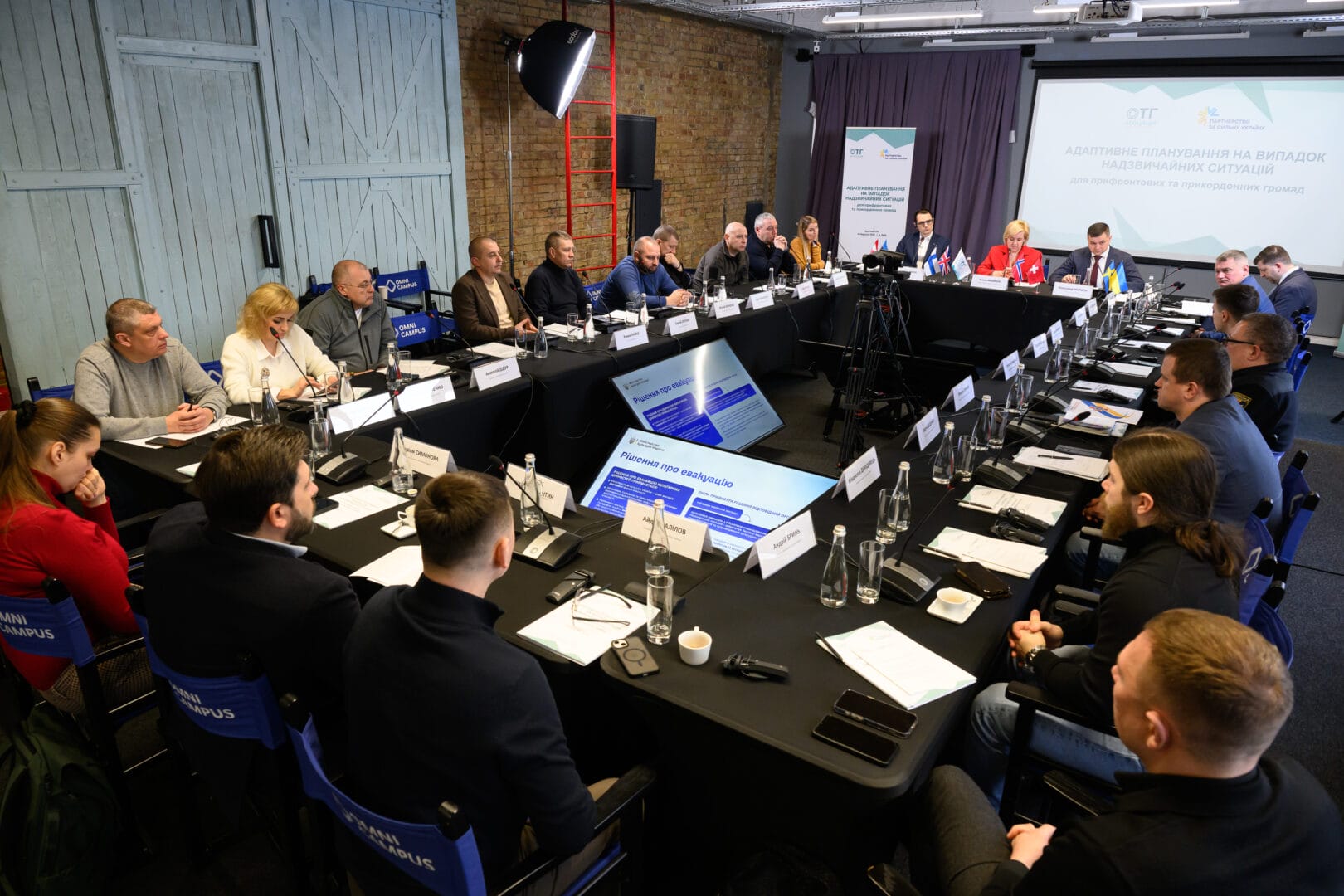
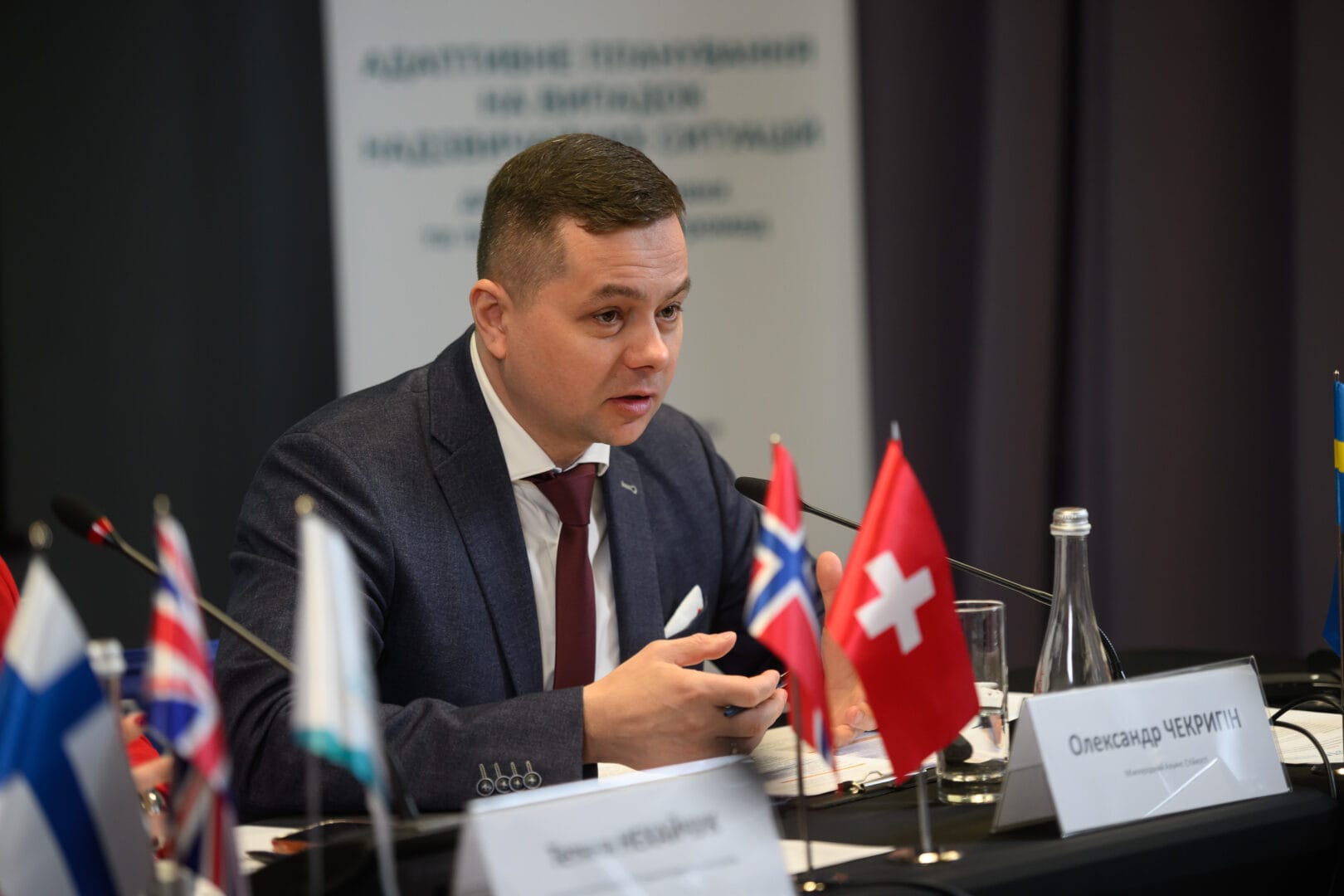
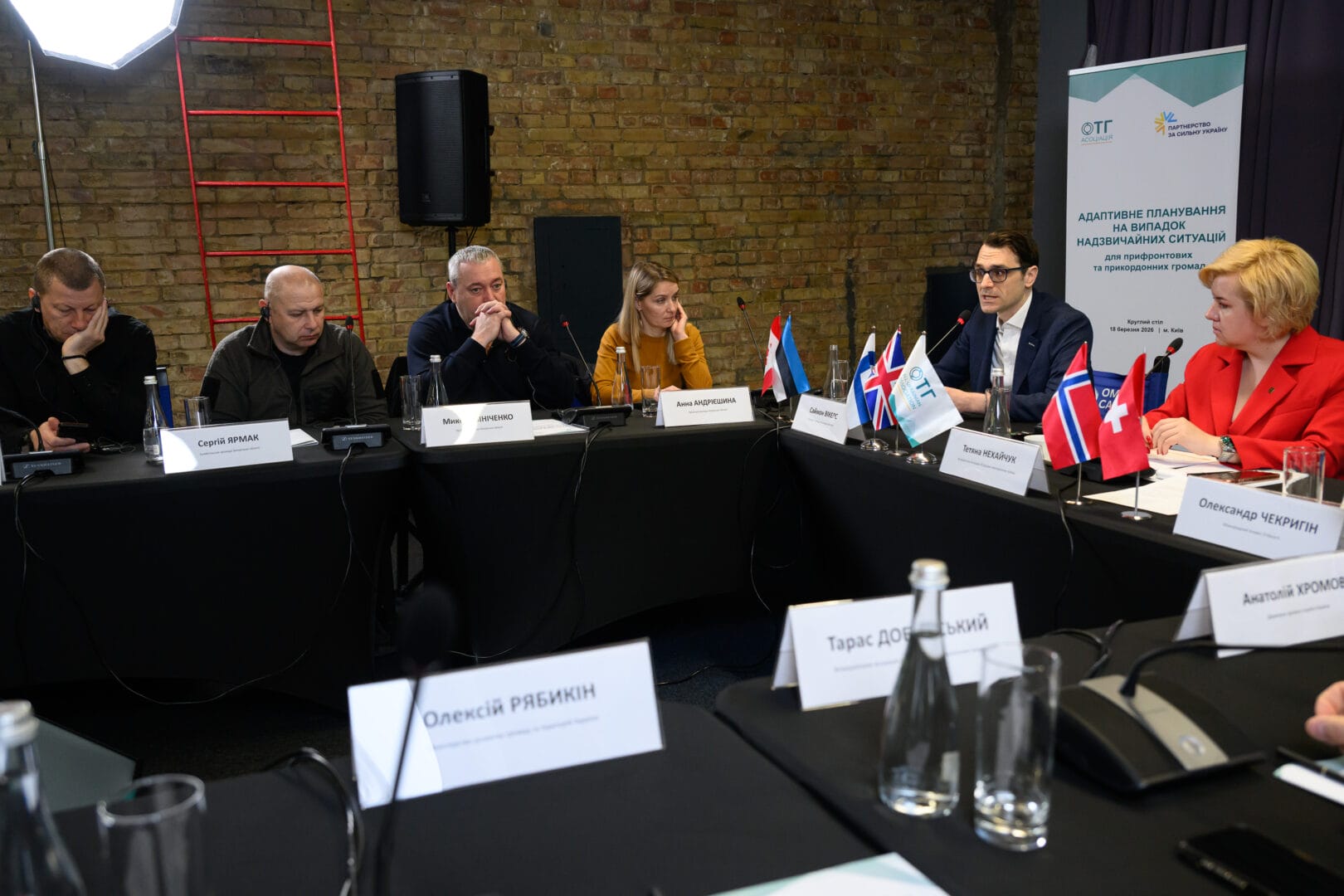
On 18 March, a roundtable was held in Kyiv as part of the project “Adaptive Emergency Planning for Frontline and Border Hromadas”, implemented by the All-Ukrainian Association of Amalgamated Territorial Communities with support from PFRU.
The event concluded six months of work with 31 frontline and border hromadas from Chernihiv, Dnipropetrovsk, Kherson, Sumy, Zaporizhzhia, Kharkiv and Donetsk oblasts and gave them an opportunity to present their experience, challenges and practical recommendations directly to national-level decision-makers.
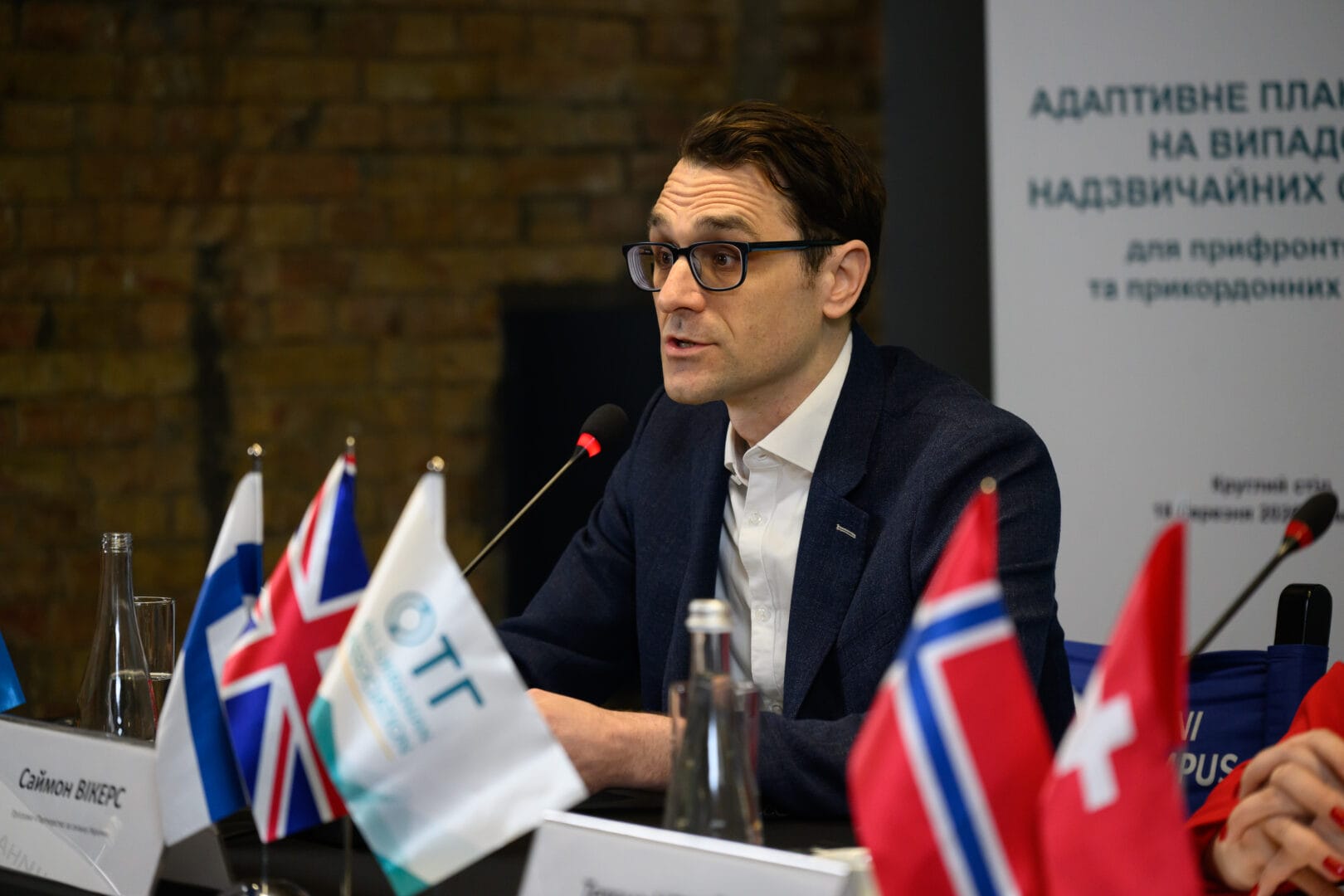
Opening the event, Simon Vickers, Programme Director at PFRU, said:
This roundtable is an example of our commitment to ensuring that insights from practical, locally grounded emergency planning initiatives are shared more widely and have a broader impact.
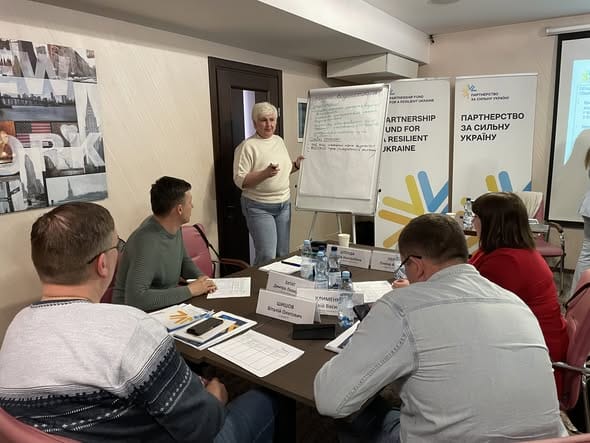
Participants discussed six key themes identified by the communities themselves through research, a workshop and a series of trainings: evacuation of archives, critical assets and cultural heritage; street-level post-incident coordination; evacuation involving children and related regulatory gaps; energy resilience and protection of critical infrastructure; relocation strategies for local government bodies; and domestic animals as a barrier to evacuation.
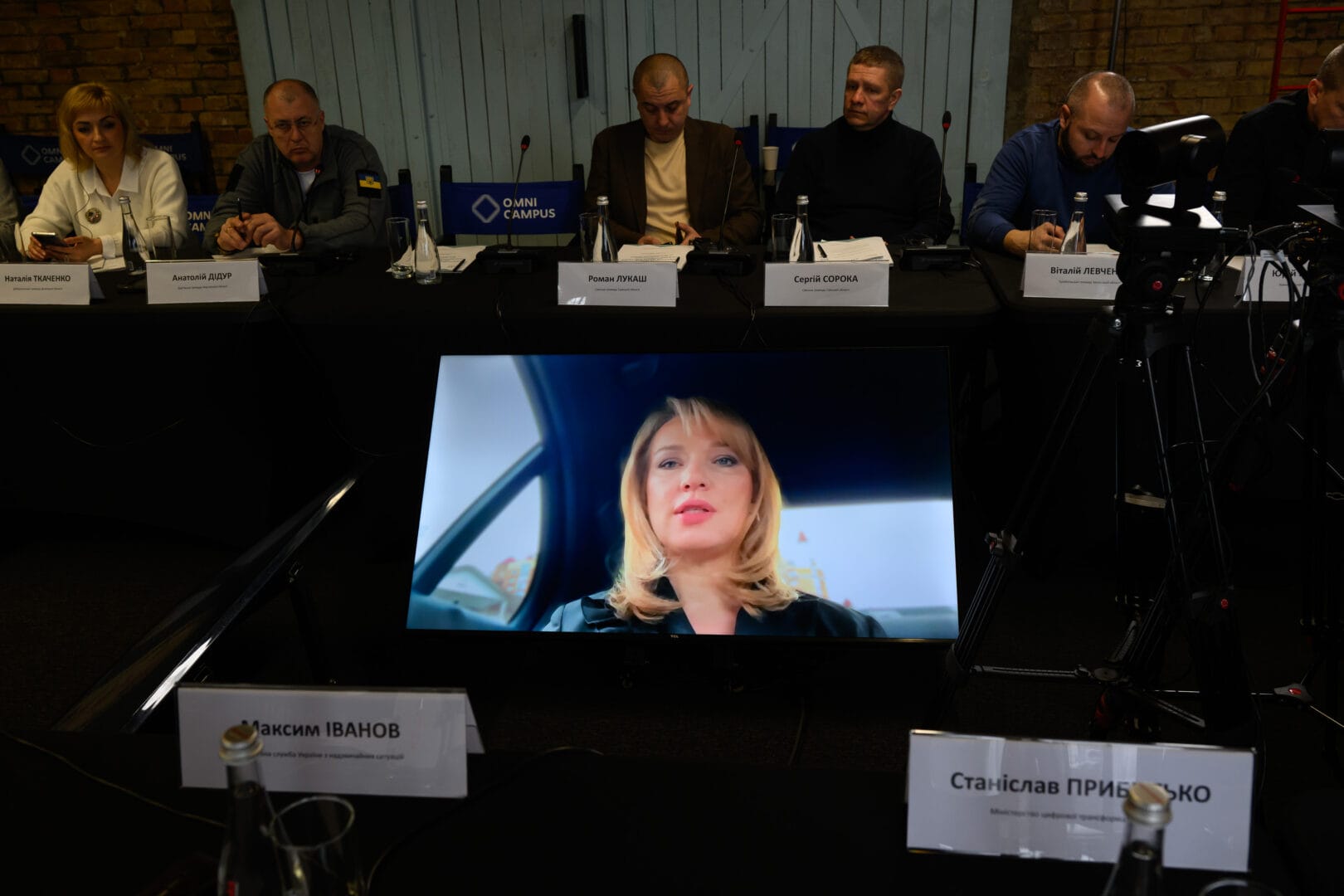
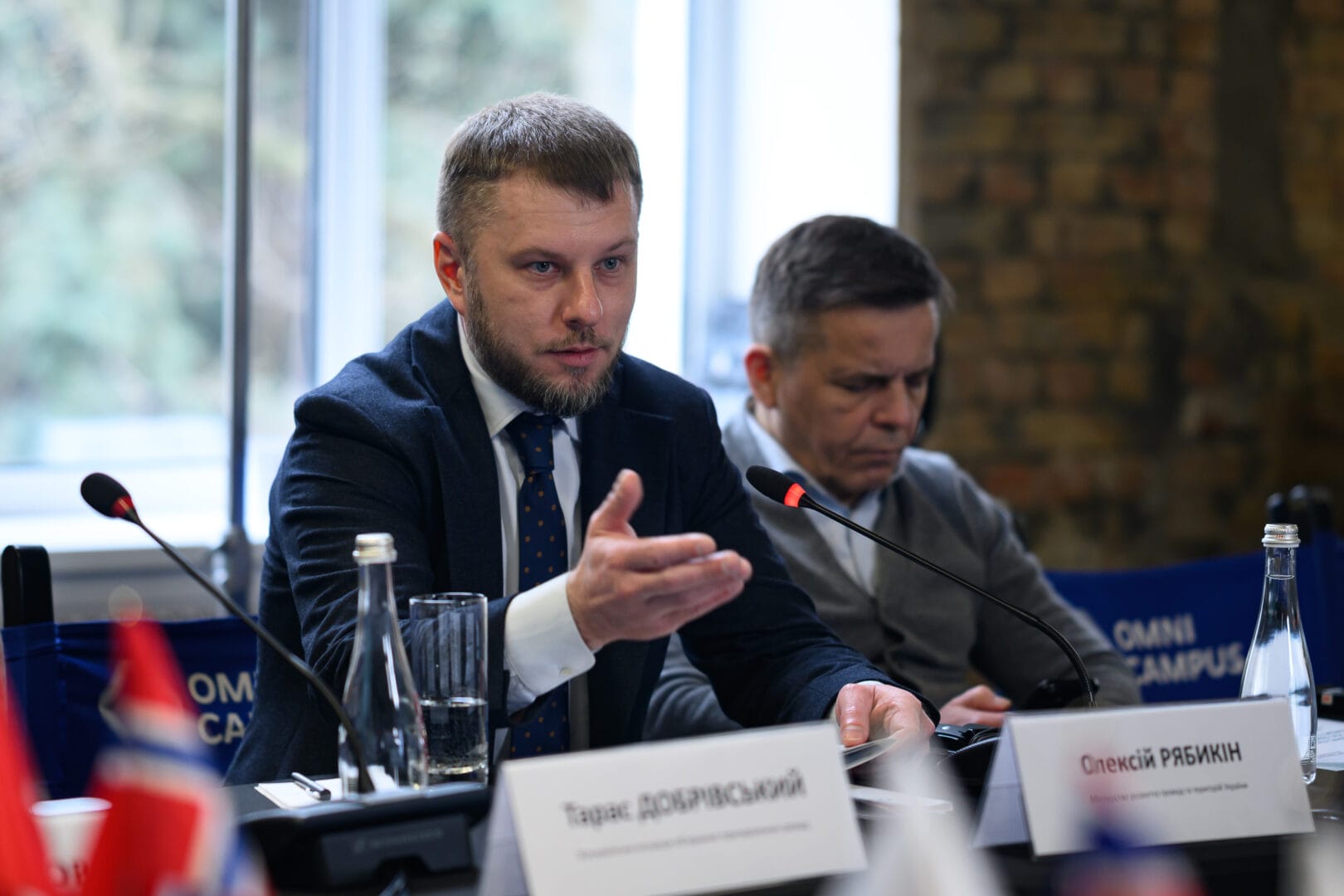
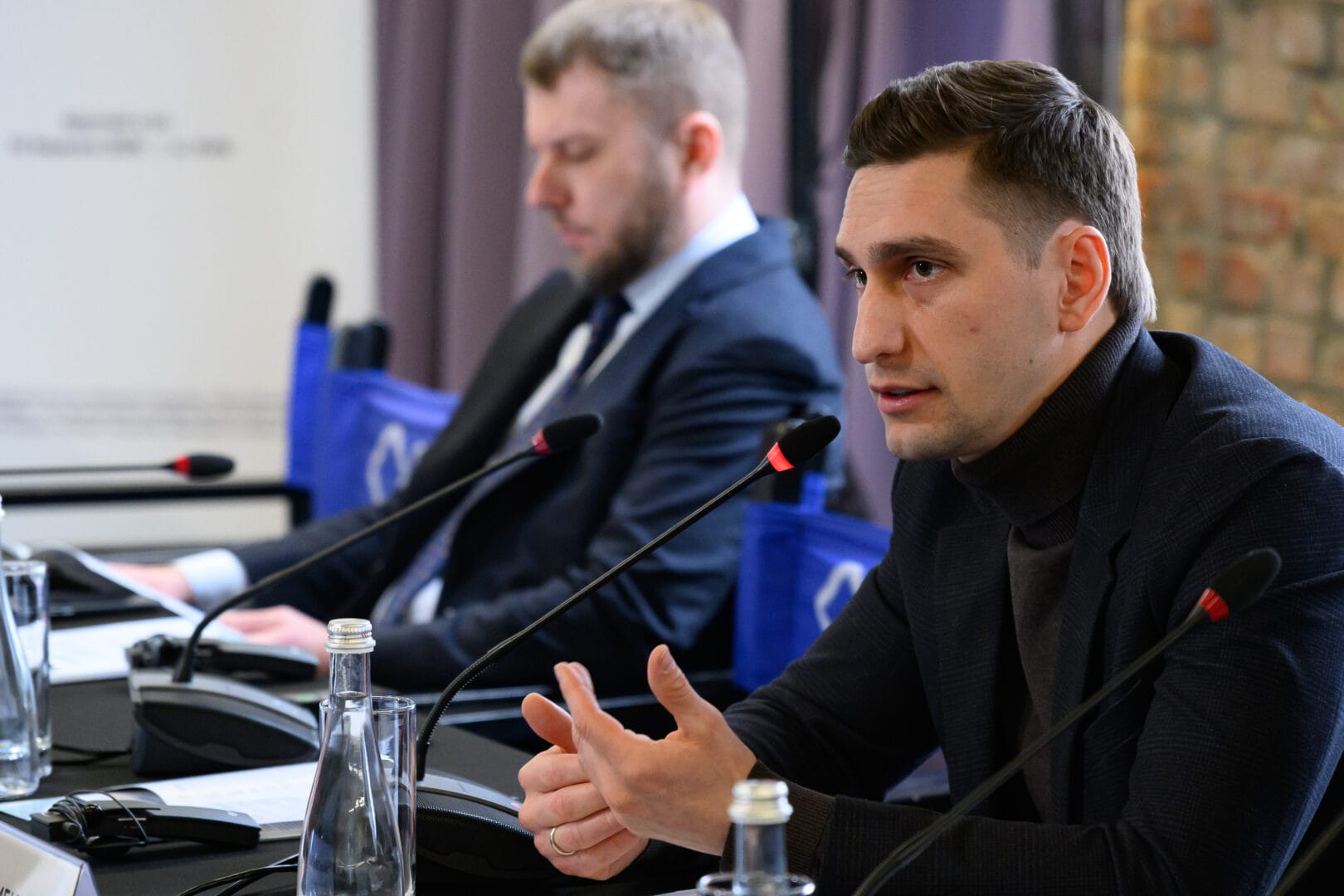
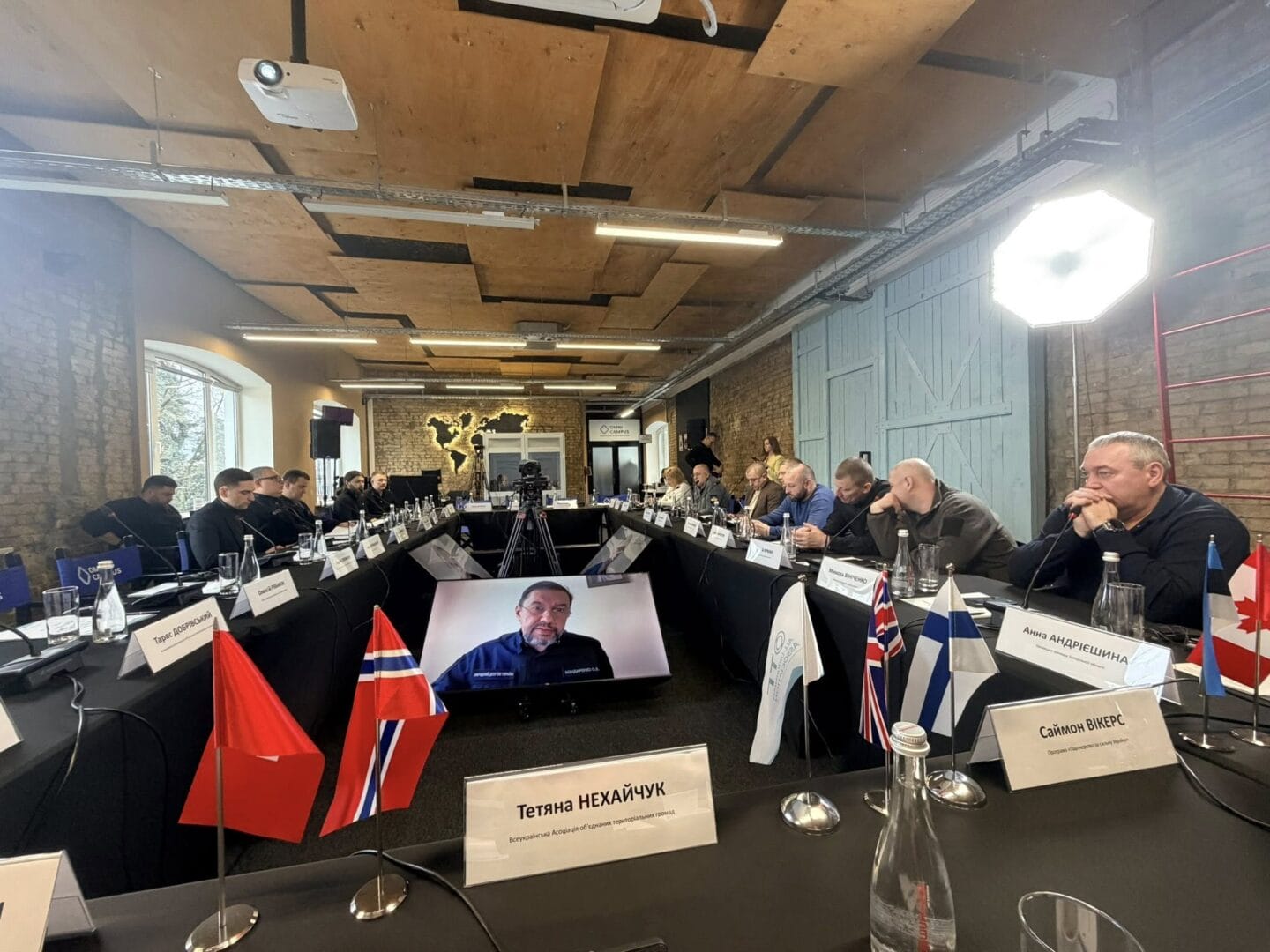
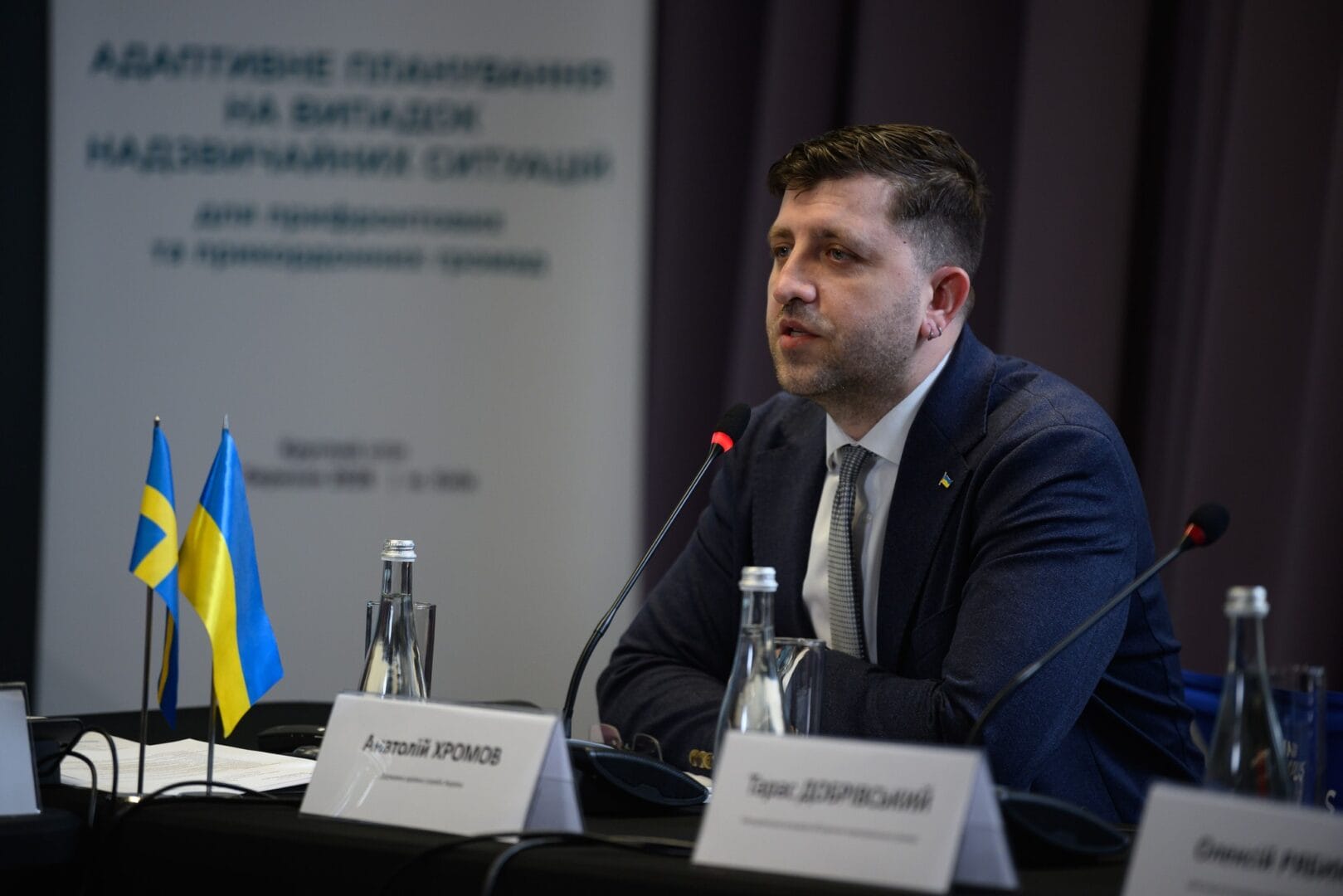
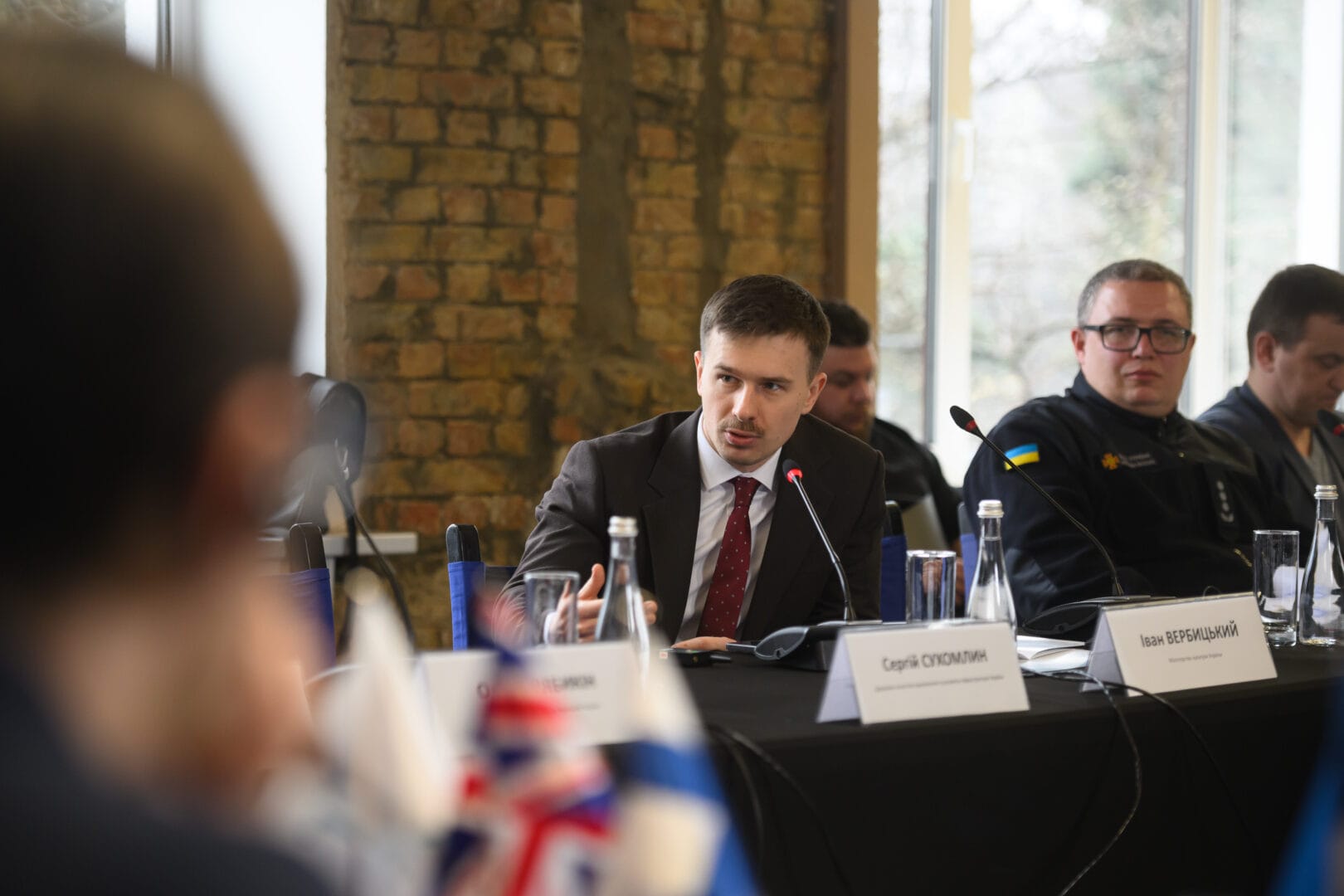
The discussion also brought together representatives of the Verkhovna Rada, relevant ministries, the State Emergency Service, the State Archival Service and the Agency for Restoration.
Olena Shuliak, Chair of the Verkhovna Rada Committee on State Building, Local Governance, Regional Development and Urban Planning, stressed the need to systematise the practical experience of hromadas and translate it into concrete decisions and legislative changes.
Oleh Bondarenko, Chair of the Verkhovna Rada Committee on Environmental Policy and Nature Management, underlined the importance of direct engagement with hromadas for developing a sound regulatory framework.
Oleksii Riabykin, Deputy Minister for Communities and Territories Development, proposed bringing the recommendations developed through the project to the Coordination Headquarters on Population Evacuation so that they could inform further regulatory changes.
Stanislav Prybytko, Deputy Minister of Digital Transformation, spoke about solutions to ensure uninterrupted mobile connectivity during power outages.
Ivan Verbytskyi, Deputy Minister of Culture, highlighted the need for clear and realistic mechanisms for the evacuation of cultural heritage and archives.
Serhii Sukhomlyn, Head of the Agency for Restoration, presented approaches to assessing hromada resilience and protecting critical infrastructure.
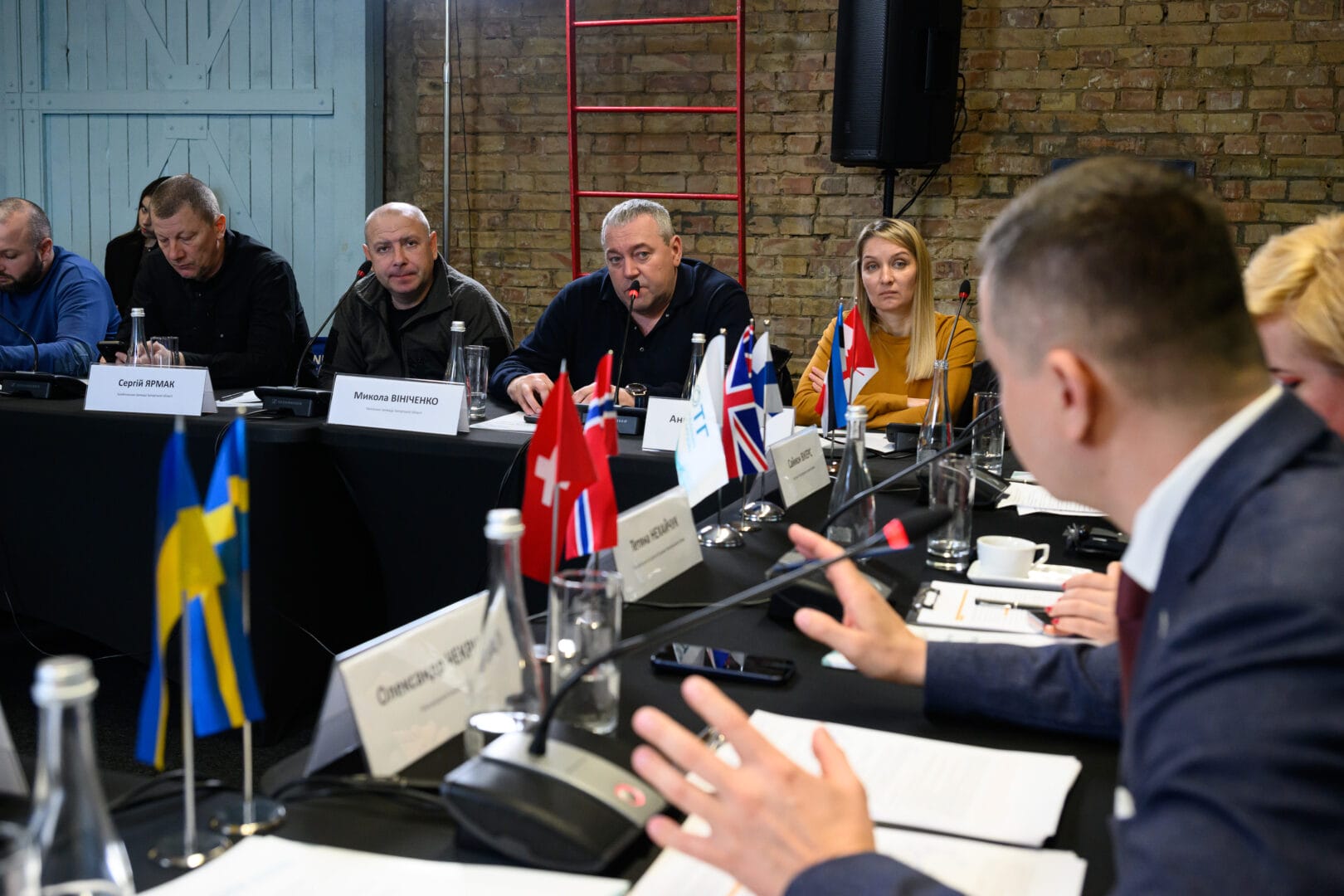
Following the discussion, methodological recommendations were presented in the form of an analytical document containing systematised findings, identified gaps and recommendations for central executive authorities, the Verkhovna Rada and relevant services. One of the project’s main conclusions is that the capacity of hromadas is determined not by the formal existence of plans, but by how well those plans are adapted to wartime conditions and linked to action in the first hour of a crisis.