





Color scheme:
Font size:

About PFRU

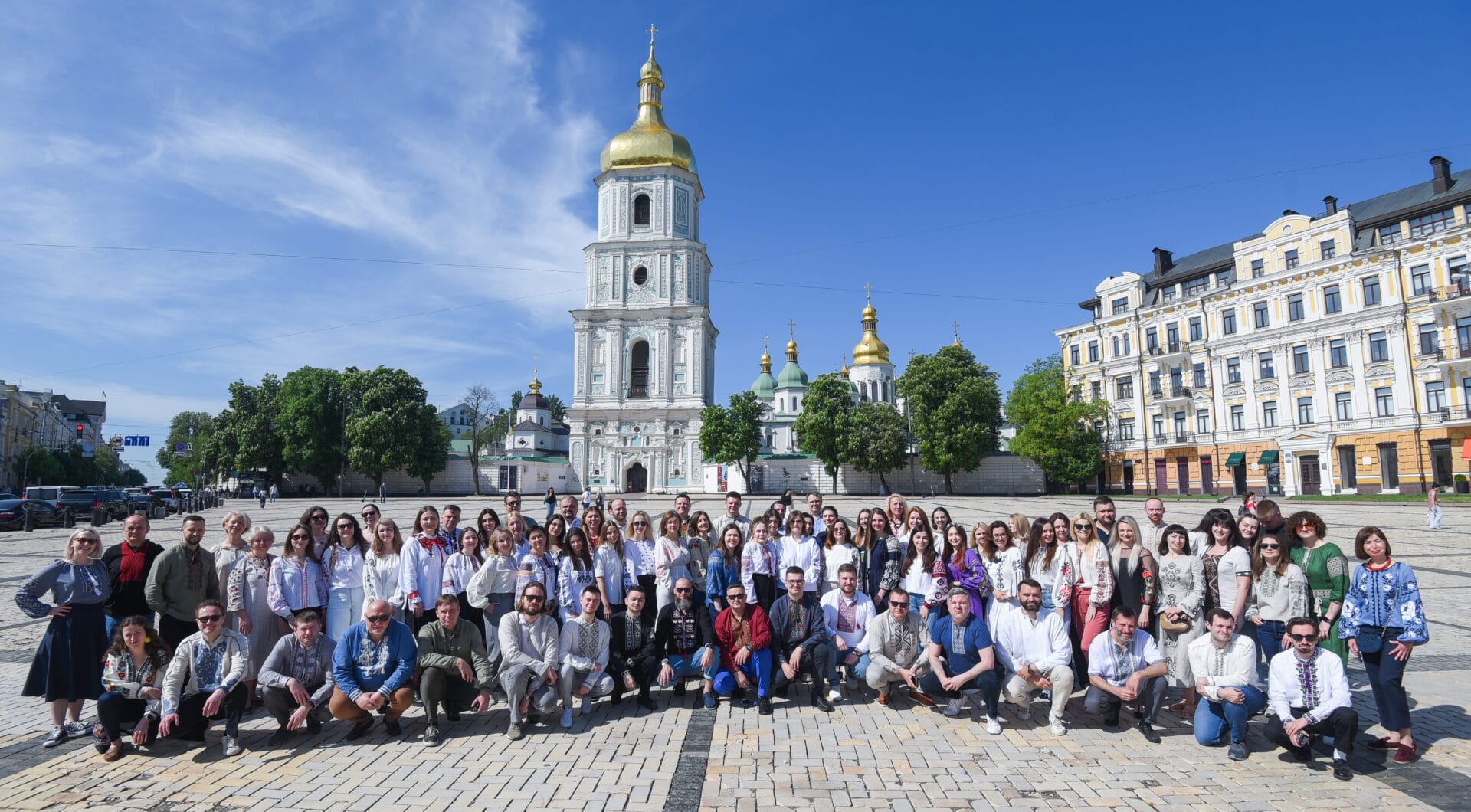
The Partnership Fund for a Resilient Ukraine (PFRU) helps strengthen Ukraine’s resilience in the face of Russian aggression by supporting hromadas most affected by the war. Funded by some of Ukraine’s closest international partners and working closely with the Government of Ukraine, we help people, local institutions and hromadas continue functioning under pressure while laying the foundations for long-term recovery.

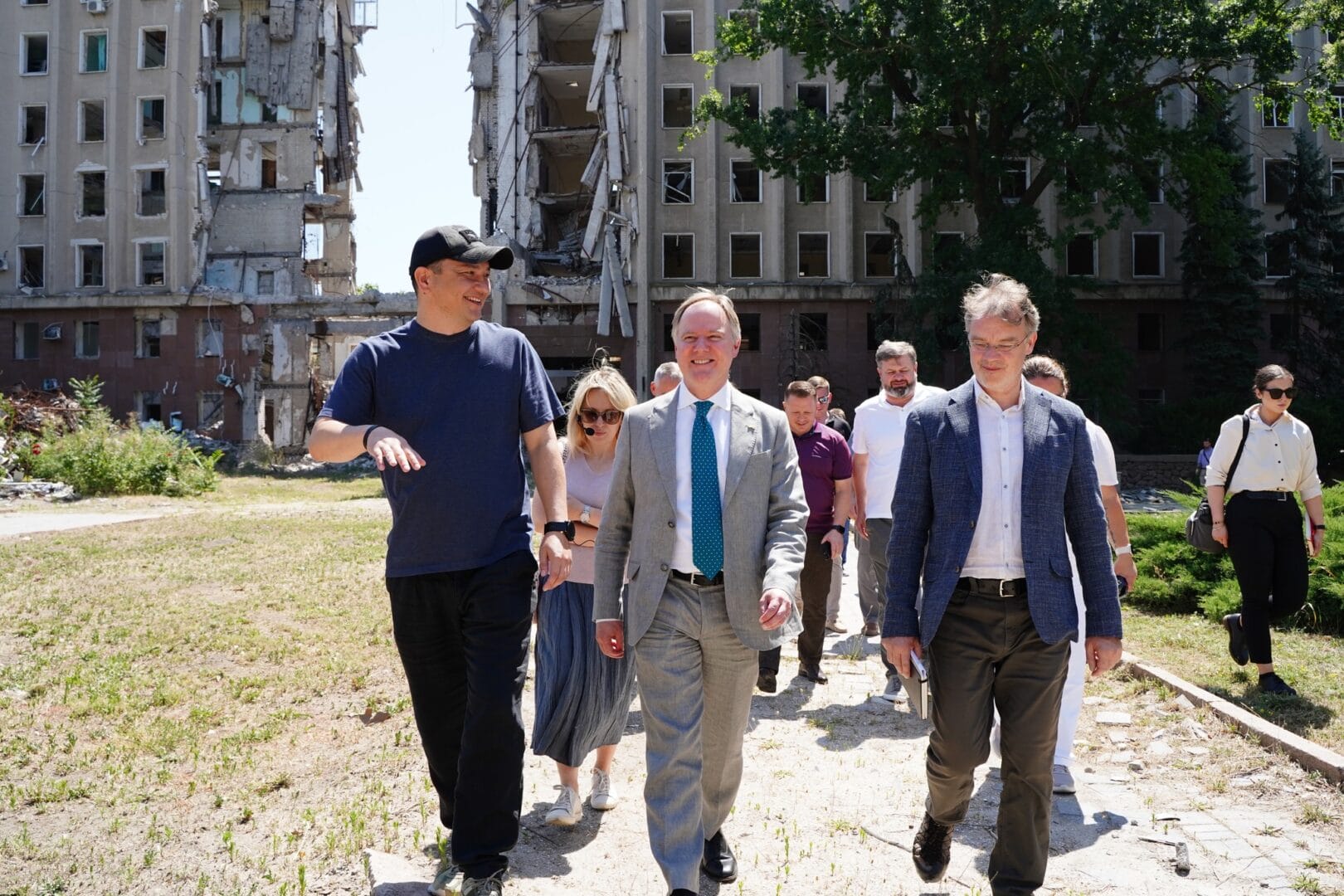
War affects far more than physical infrastructure. It disrupts public services, weakens local economies, strains trust and makes long-term planning more difficult. We therefore work across several interconnected areas, including restoring critical infrastructure and essential public services, supporting local governance and recovery planning, strengthening safety and protection, sustaining economic activity, advancing accessibility and inclusion, preserving memory, and reinforcing culture, identity and social cohesion.

Read more

  • Flag of Canada – PFRU donor
  • Flag of Estonia – PFRU donor
  • Flag of Finland – PFRU donor
  • Flag of Norway – PFRU donor
  • Flag of Sweden – PFRU donor
  • Flag of Switzerland – PFRU donor
  • Flag of United Kingdom – PFRU donor

Our approach

Recovery begins long before the war is over. Even under immense pressure, hromadas continue delivering services, supporting people and making decisions that shape their future.

That is why we combine immediate support with long-term recovery – strengthening not only infrastructure and services, but also the relationships, institutions and opportunities that help people participate fully in community life.

We work with national institutions, local authorities, civil society, first responders, businesses, cultural actors and hromada members to ensure support is practical, coordinated and grounded in local realities.
PFRU Strategic Objectives

In wartime, support cannot be one-dimensional. It has to address urgent needs, keep services and institutions working, protect social ties, and learn from what is happening on the ground. PFRU’s Rapid Response Mechanism and four strategic outcomes show how these layers come together in practice.
Learn more
Rapid Response Mechanism
Providing timely, targeted support to help hromadas address emerging needs and sustain essential local services.
Outcome 1
Keeping the TOTs politically visible, socially connected and on the national agenda by aligning responses, humanising lived experiences of occupation and sustaining public interest.
Outcome 2
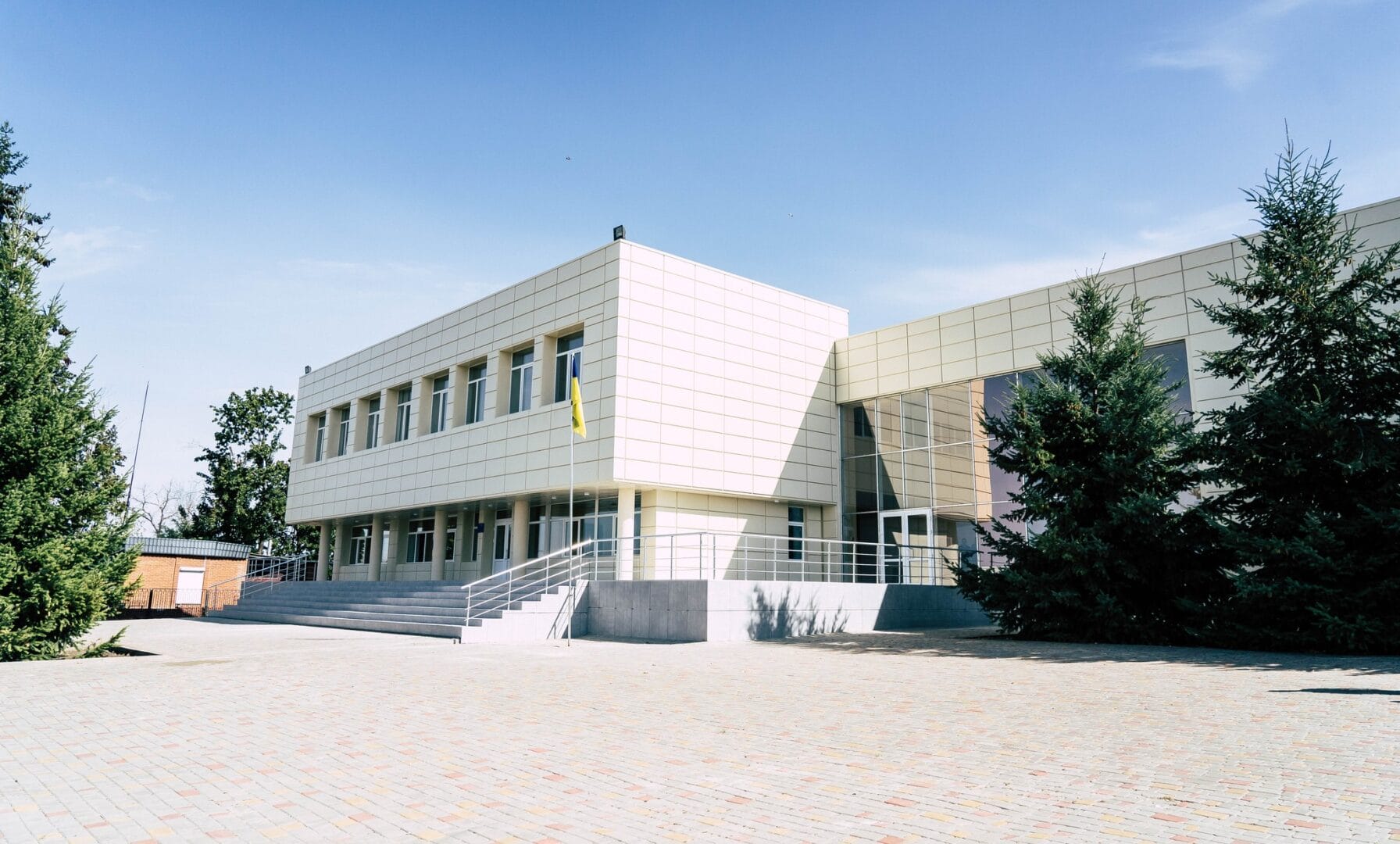
Strengthening public confidence in the Ukrainian state by restoring critical infrastructure and improving essential services, making them more accessible, reliable and responsive to people’s everyday needs.
Outcome 3
Supporting societal resilience against Russian aggression by strengthening vertical and horizontal social cohesion, trust and cooperation across society.
Outcome 4
Shaping better decisions through evidence, practical lessons and thought leadership that strengthen PFRU's support for people and hromadas while helping shape national policy.

How We Work

Our Vision: Resilience in all its forms
How We Work

Resilience is not only about endurance. It is about the systems, relationships and trust that help people, hromadas and society adapt, rebuild and keep moving forward under pressure. PFRU supports resilience across three connected levels:

  • Resilience as survival — helping hromadas withstand immediate frontline pressures and respond to urgent needs.
  • Resilience of hromadas — supporting local governments in maintaining essential services, effective governance and social cohesion throughout the war.
  • Societal resilience — strengthening trust, democratic institutions, shared identity and the connections that help Ukrainian society remain united over time.

Where We Work


PFRU works where the pressure of war is felt most directly — in frontline, border, de-occupied and war-affected hromadas, as well as in places hosting many internally displaced people and carrying additional pressure on local services.

Our support covers 11 oblasts across three geographic areas:

  • North: Kyiv, Chernihiv and Sumy oblasts
  • East: Kharkiv, Donetsk, Luhansk, Zaporizhzhia and Dnipropetrovsk oblasts
  • South: Kherson, Mykolaiv and Odesa oblasts

Across these areas, we tailor support to the realities of each hromada, recognising that resilience depends on local needs, pressures and capacities — not a single model applied everywhere.


How We Work

A Stabilisation-Informed Way of Working

Our work is informed by stabilisation principles, but not constrained by a fixed model. Conflict changes quickly, and so do the needs of hromadas. We therefore remain flexible, adapting both geographically and thematically as the context evolves.
In practice, this means that we:
  • Strengthening trust, inclusive governance and community resilience
  • Bridging gaps between humanitarian response, recovery and long-term development
  • Working with state and non-state partners
  • Delivering timely, practical and locally relevant support
PFRU Thought Leadership

The support we provide to hromadas also helps us learn what resilience looks like in practice. Each project, partnership and consultation adds to a clearer understanding of what people and local institutions need to withstand pressure, recover and plan ahead.

Through research, data analysis and close cooperation with national and local partners, we turn this experience into practical learning — across public services, community safety, economic recovery, inclusion, memory work, culture, identity and social cohesion.

These insights help us adapt our support, contribute to evidence-informed policy discussions and share learning with partners working on Ukraine’s recovery.

In a fast-changing wartime context, good decisions need more than assumptions. They need evidence, local knowledge and the lived experience of hromadas.

Frequently Asked Questions

Question 1