Creating Space for Memory and Dialogue for Families of Missing Persons
Even while the war continues and justice may still lie ahead, there are ways to begin working toward it today. Transitional justice helps societies uncover the truth about crimes, engage with memory, and lay the groundwork for future accountability.
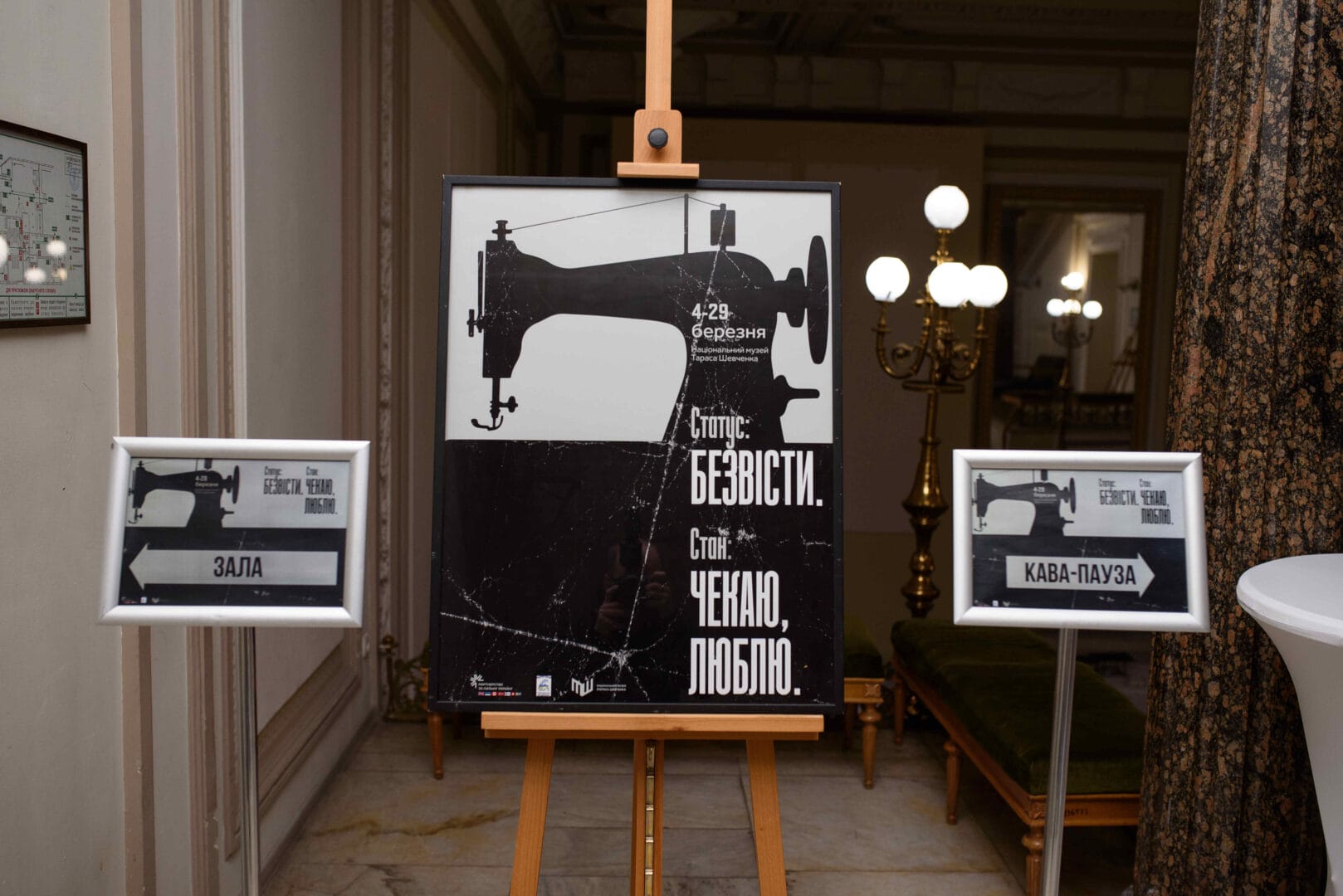
Ukraine’s international partners, through the Partnership Fund for a Resilient Ukraine (PFRU), support initiatives that engage with memory, help society reflect on the losses of war, and honour those who have lost their loved ones. These initiatives create space for remembrance, solidarity, and public dialogue, bringing the prospect of justice closer for those whose lives have been marked by the war.
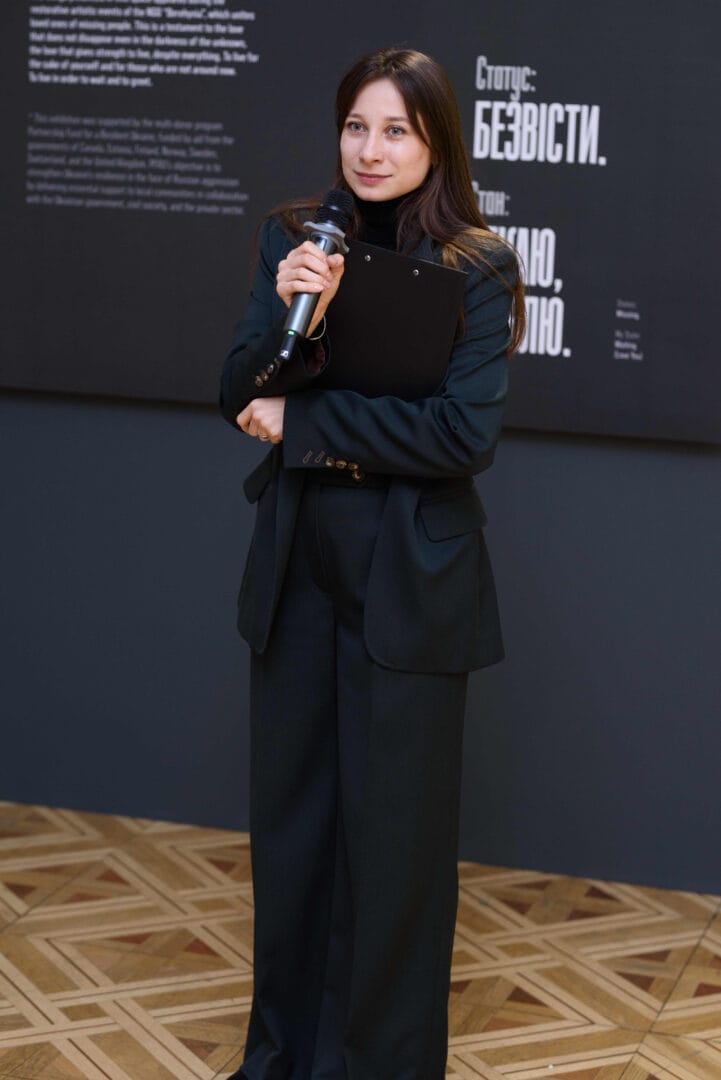
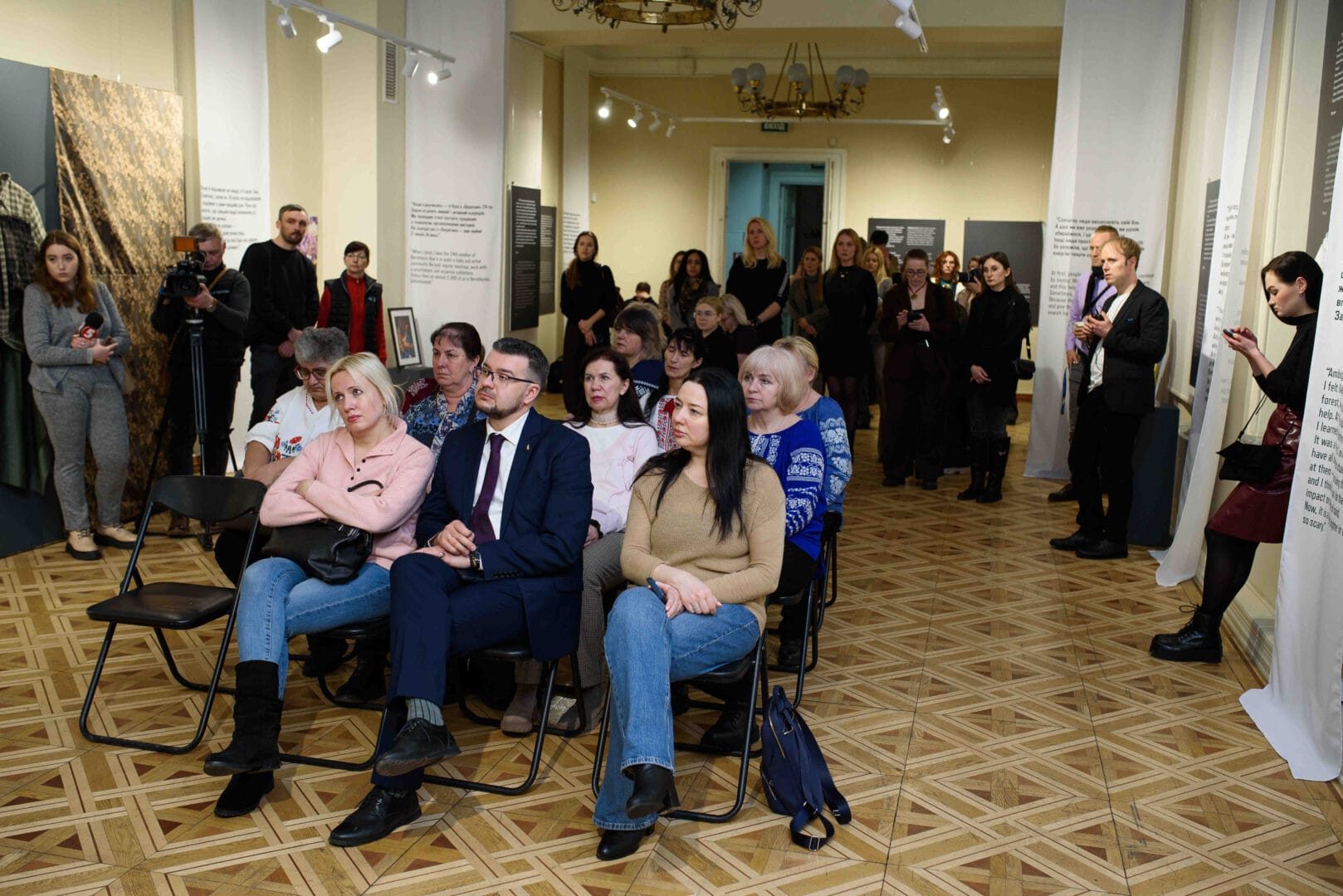
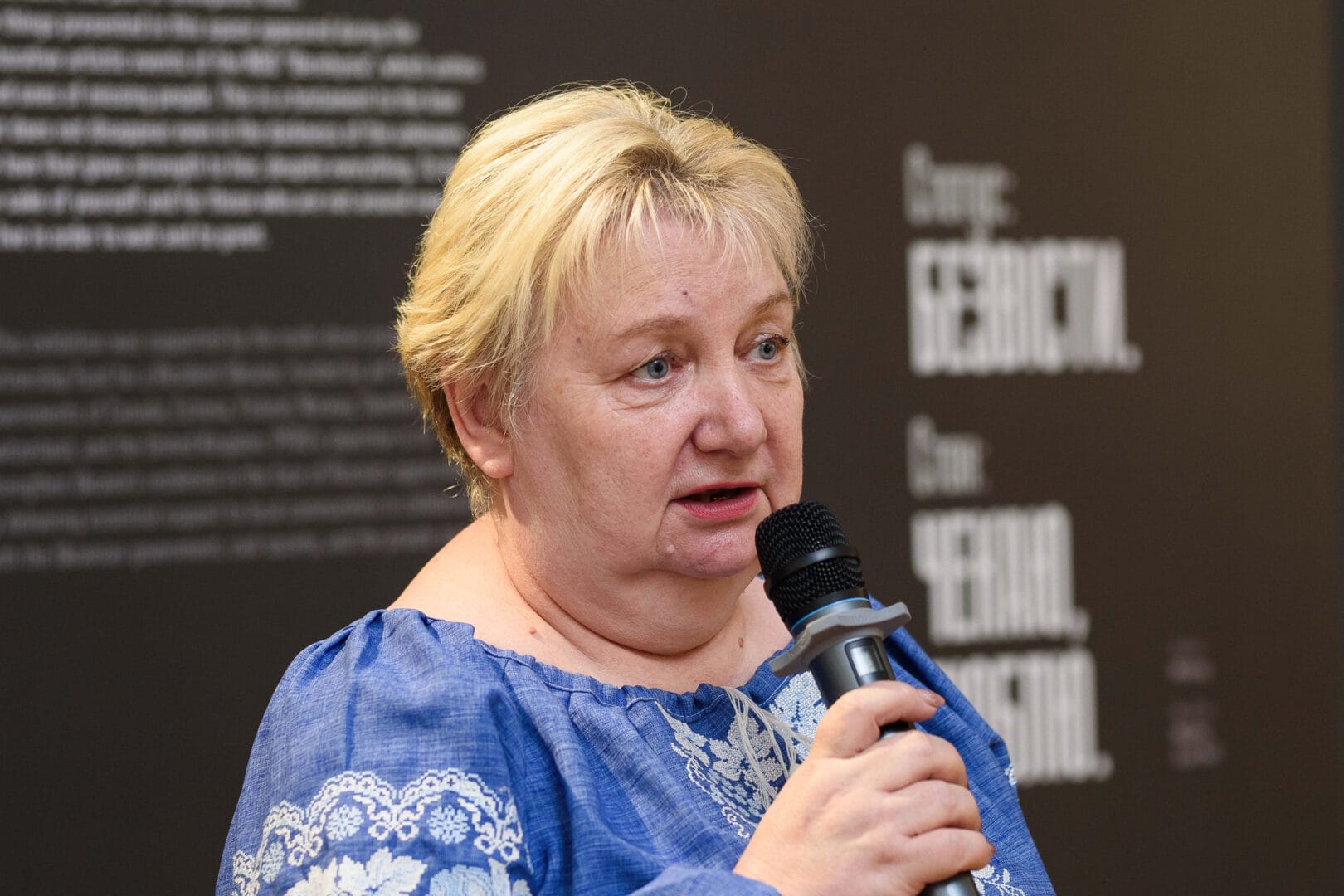
To support families of missing persons, PFRU organised the exhibition “Status: Missing. My State: Waiting (Love You)”, bringing together works created by relatives of the missing. The exhibition in Kyiv forms part of a wider series of events organised by the NGO ‘Berehynia’, offering families from Dnipropetrovsk Oblast a space to share their stories and make their voices heard.
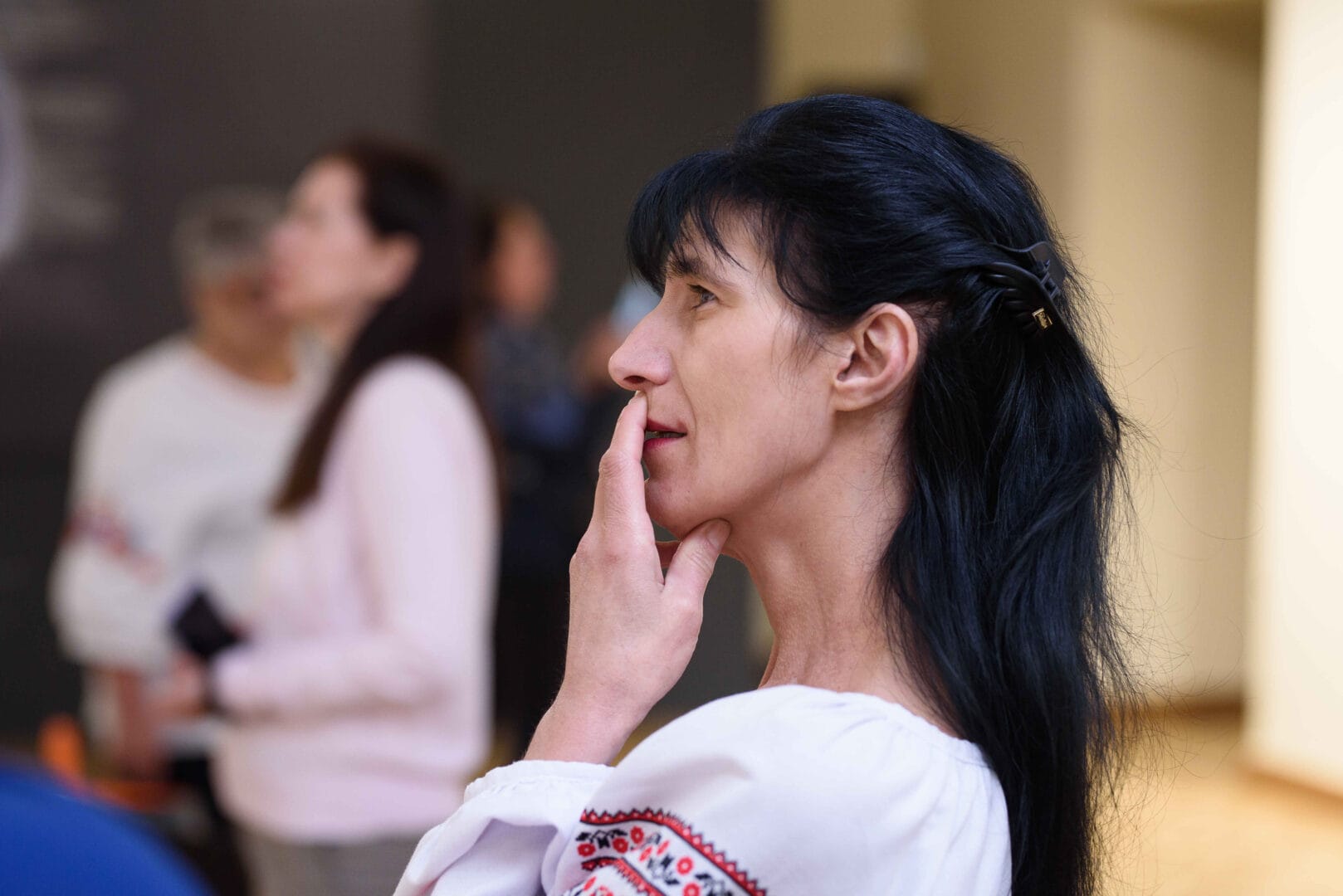
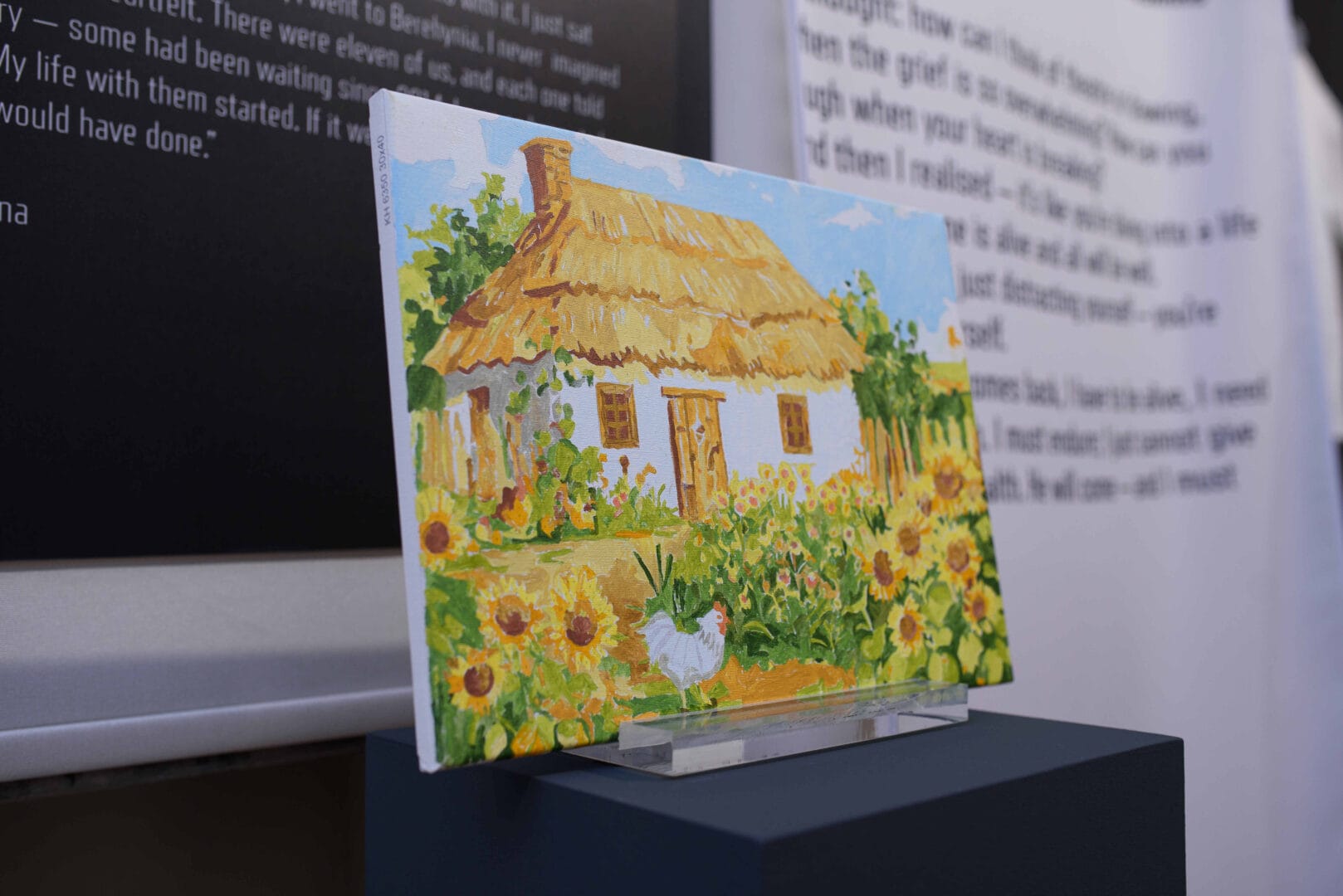
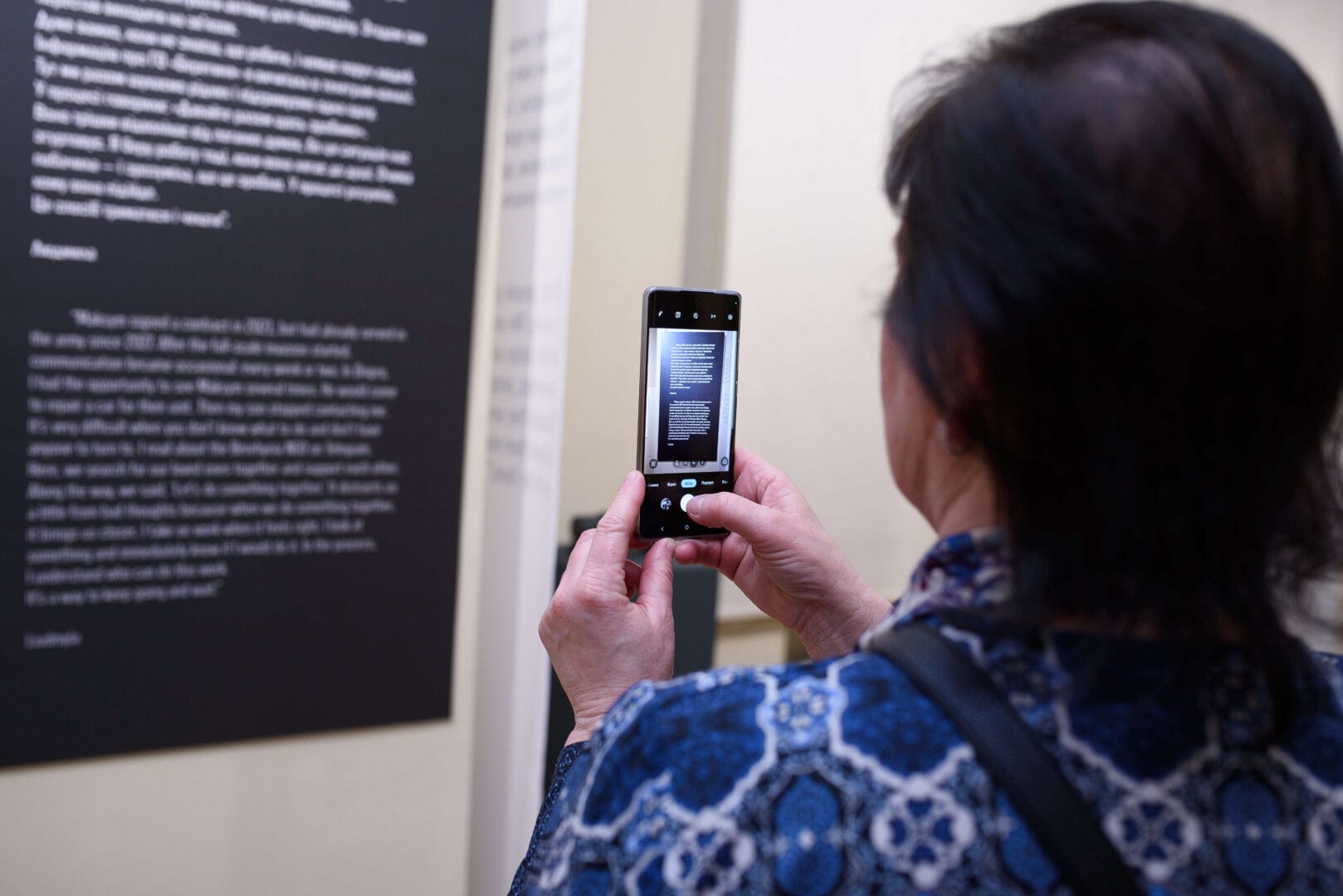
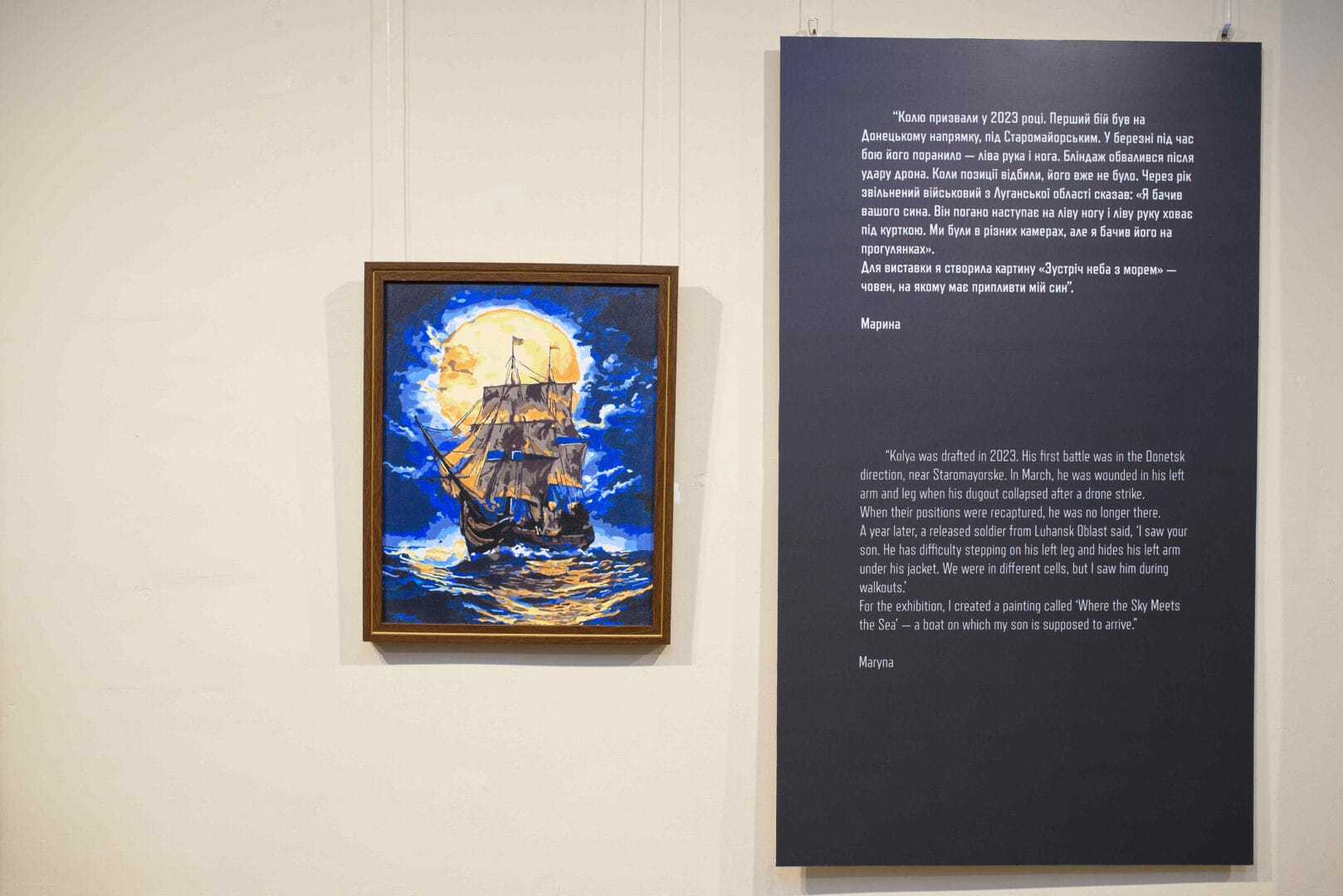
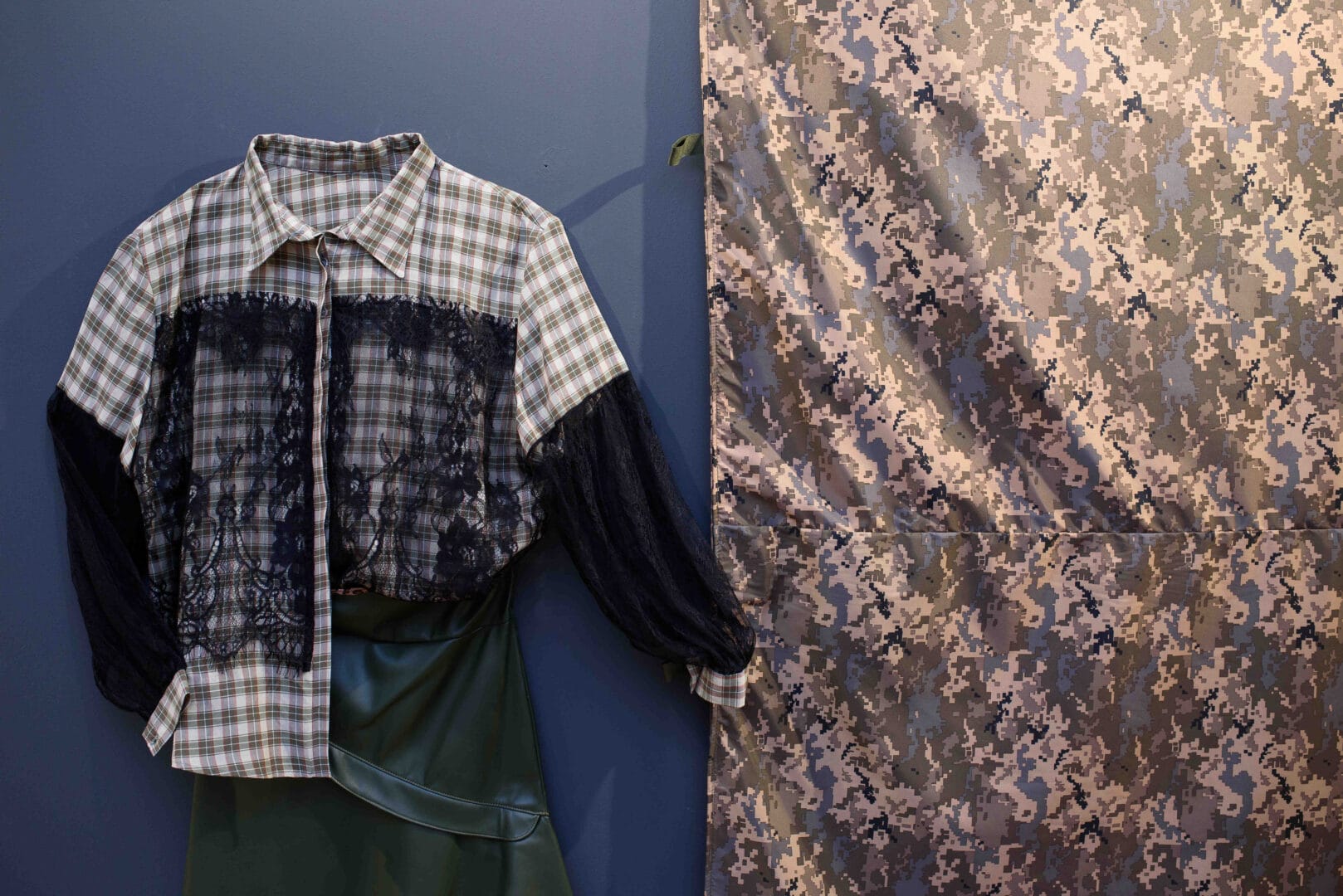
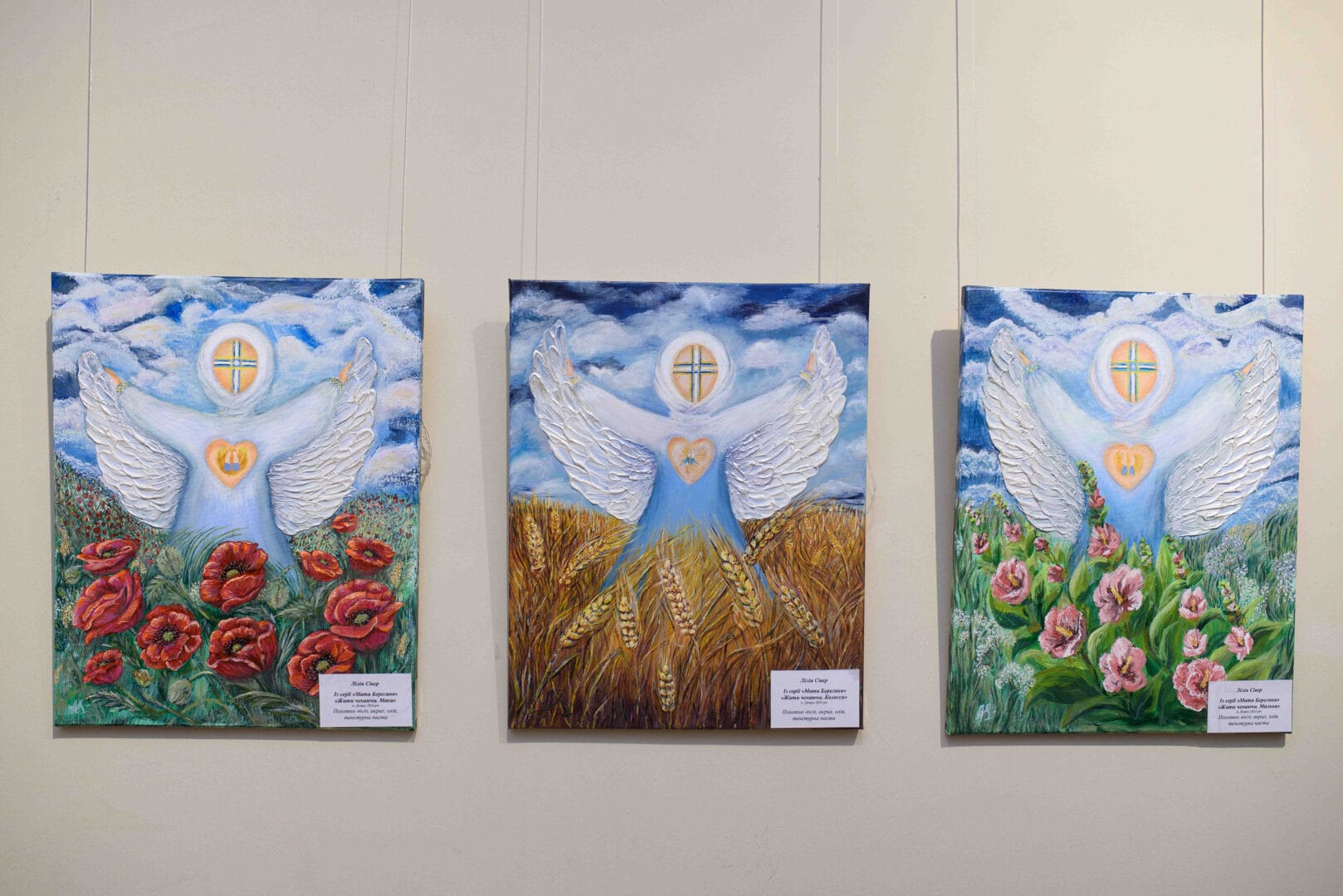
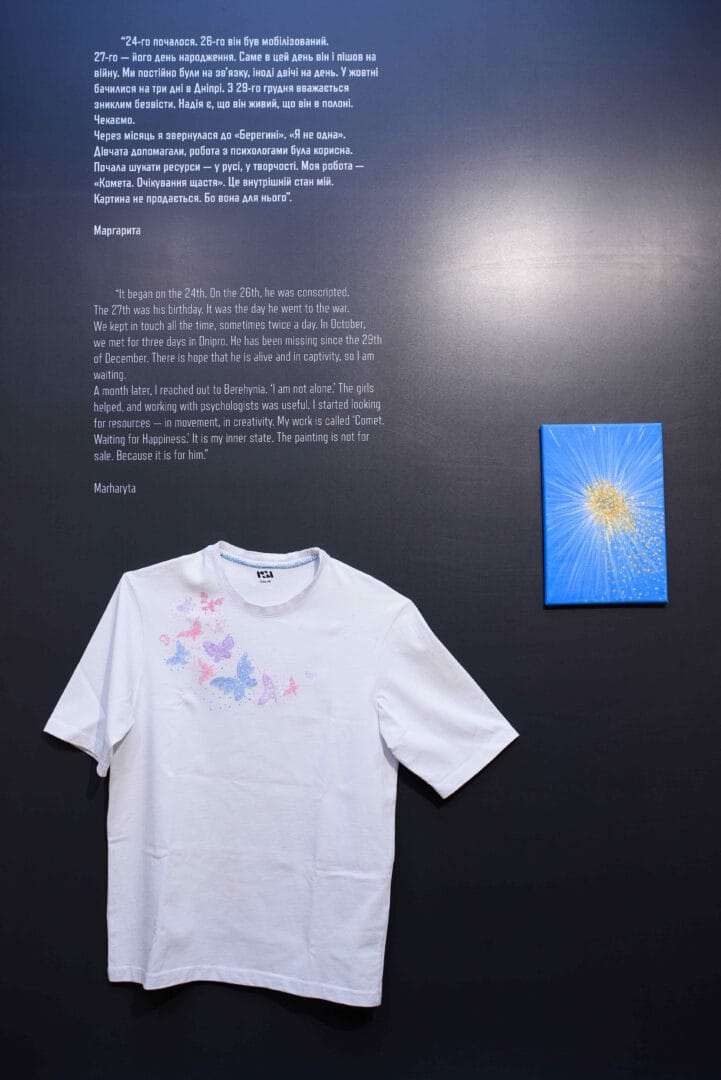
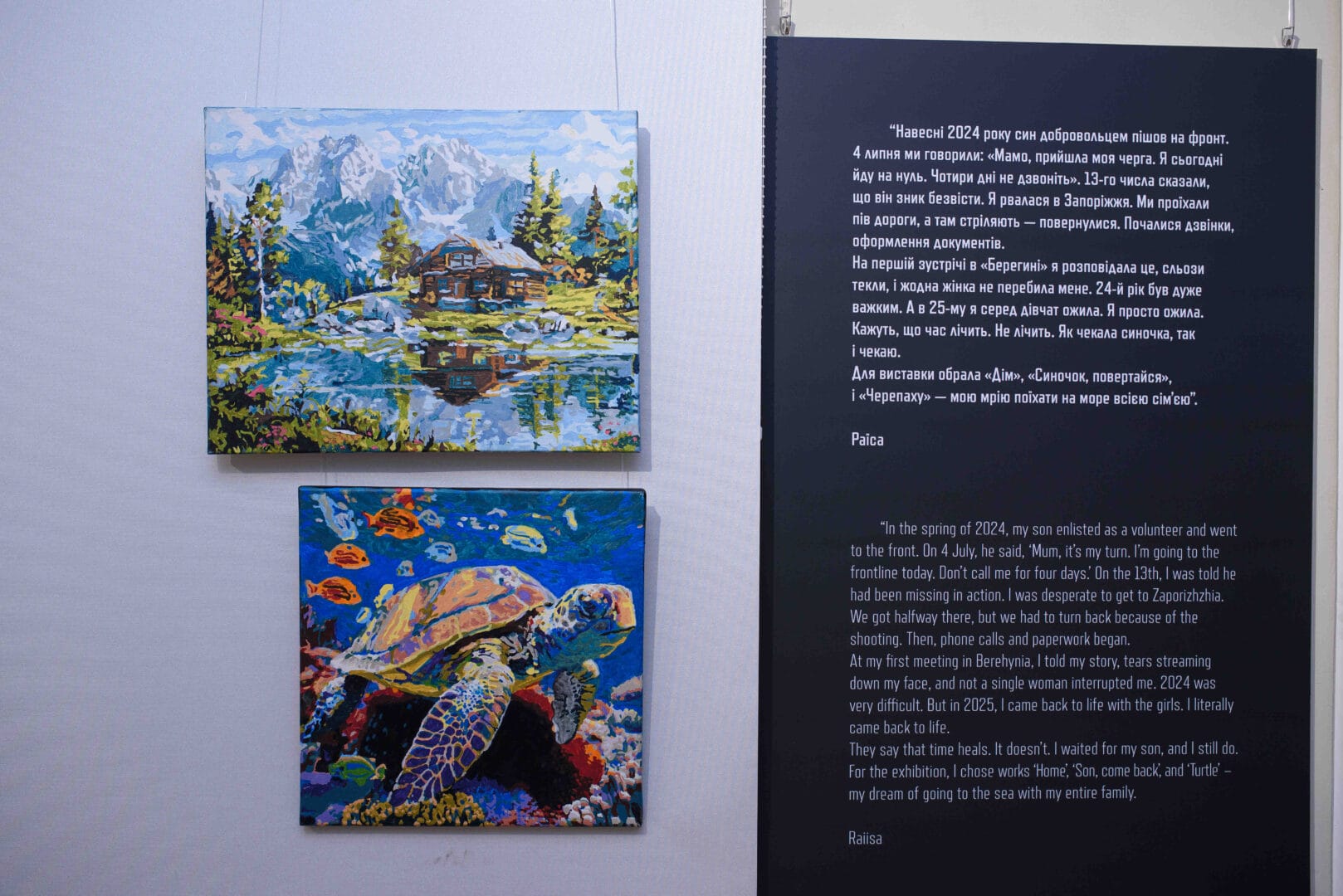
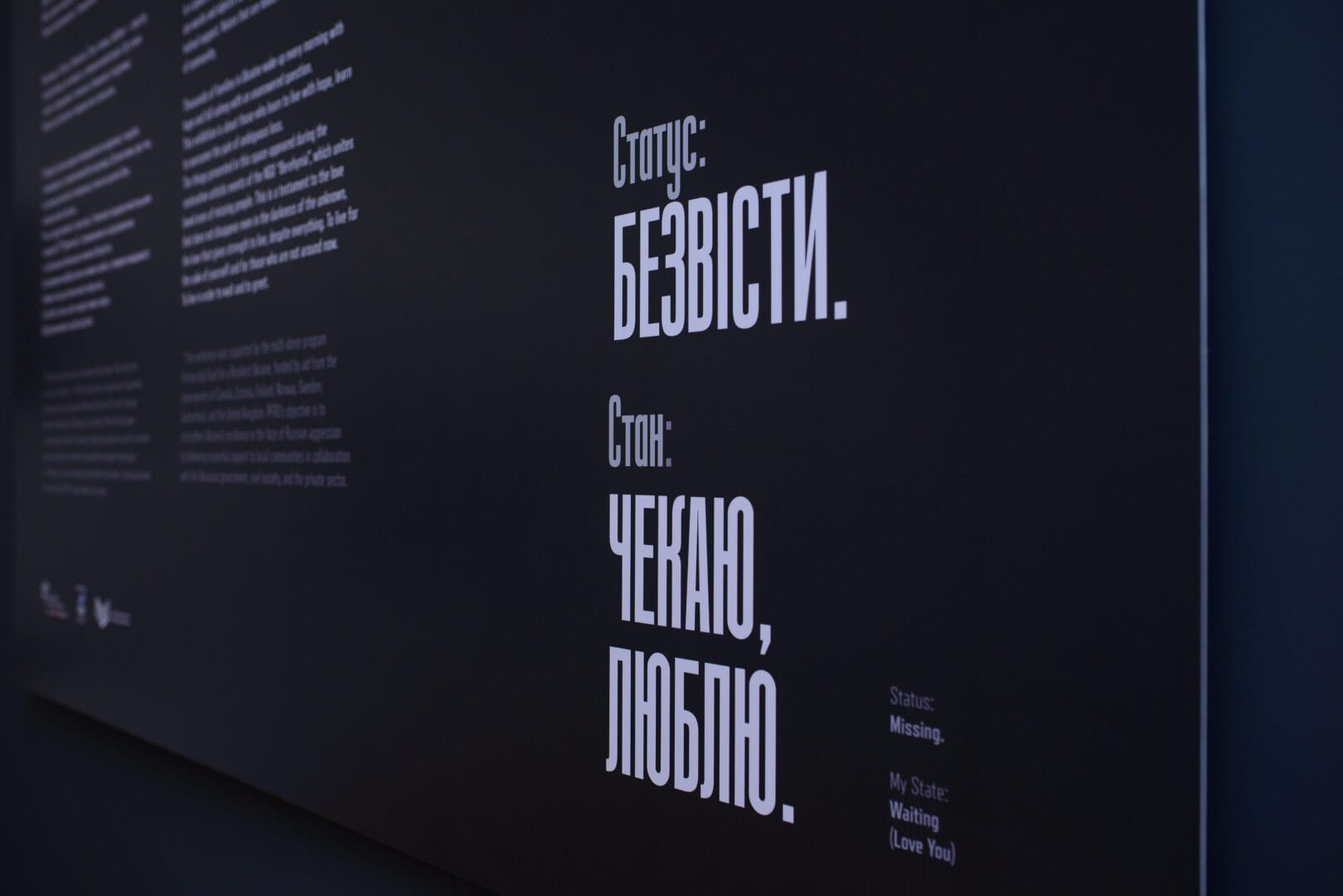
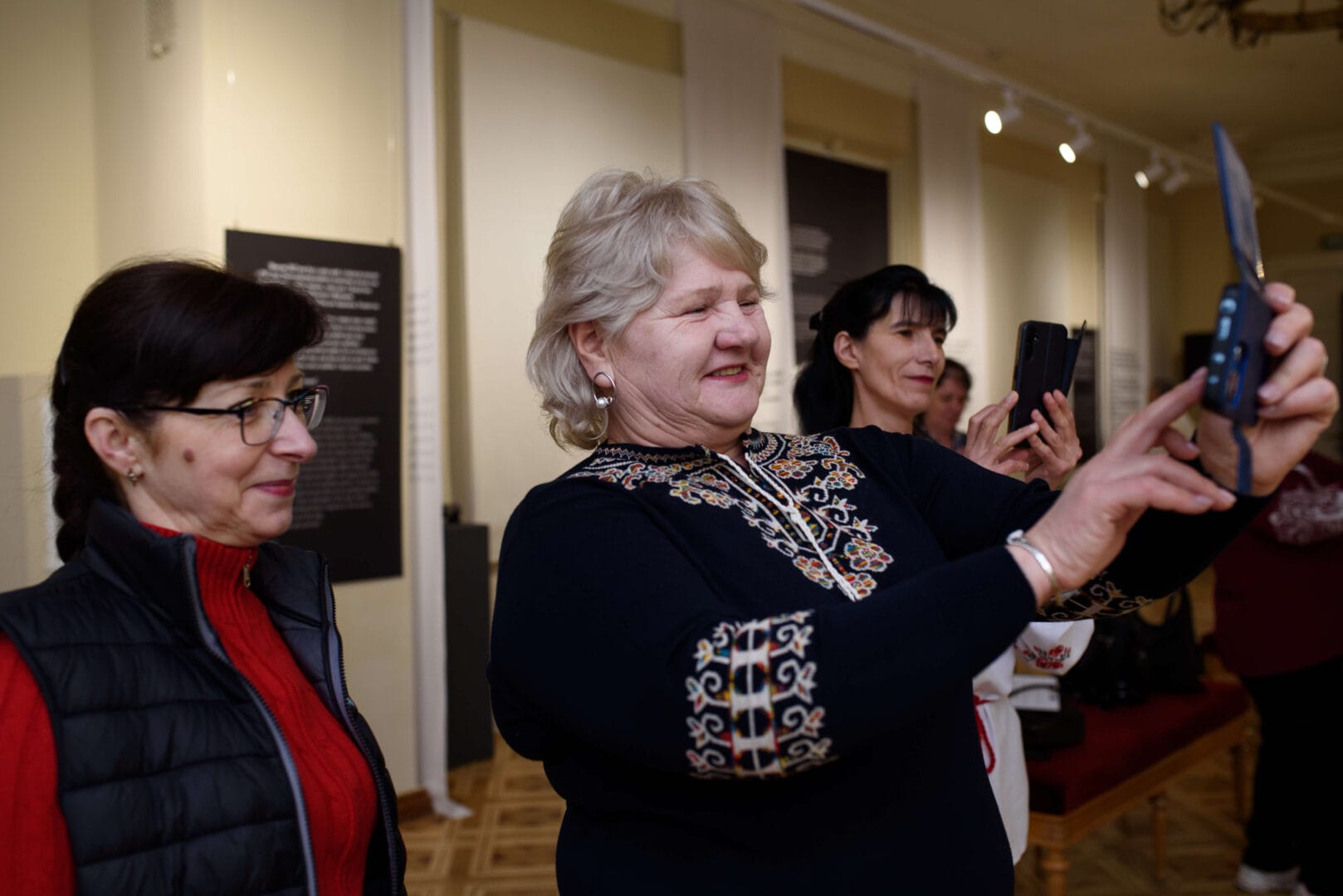
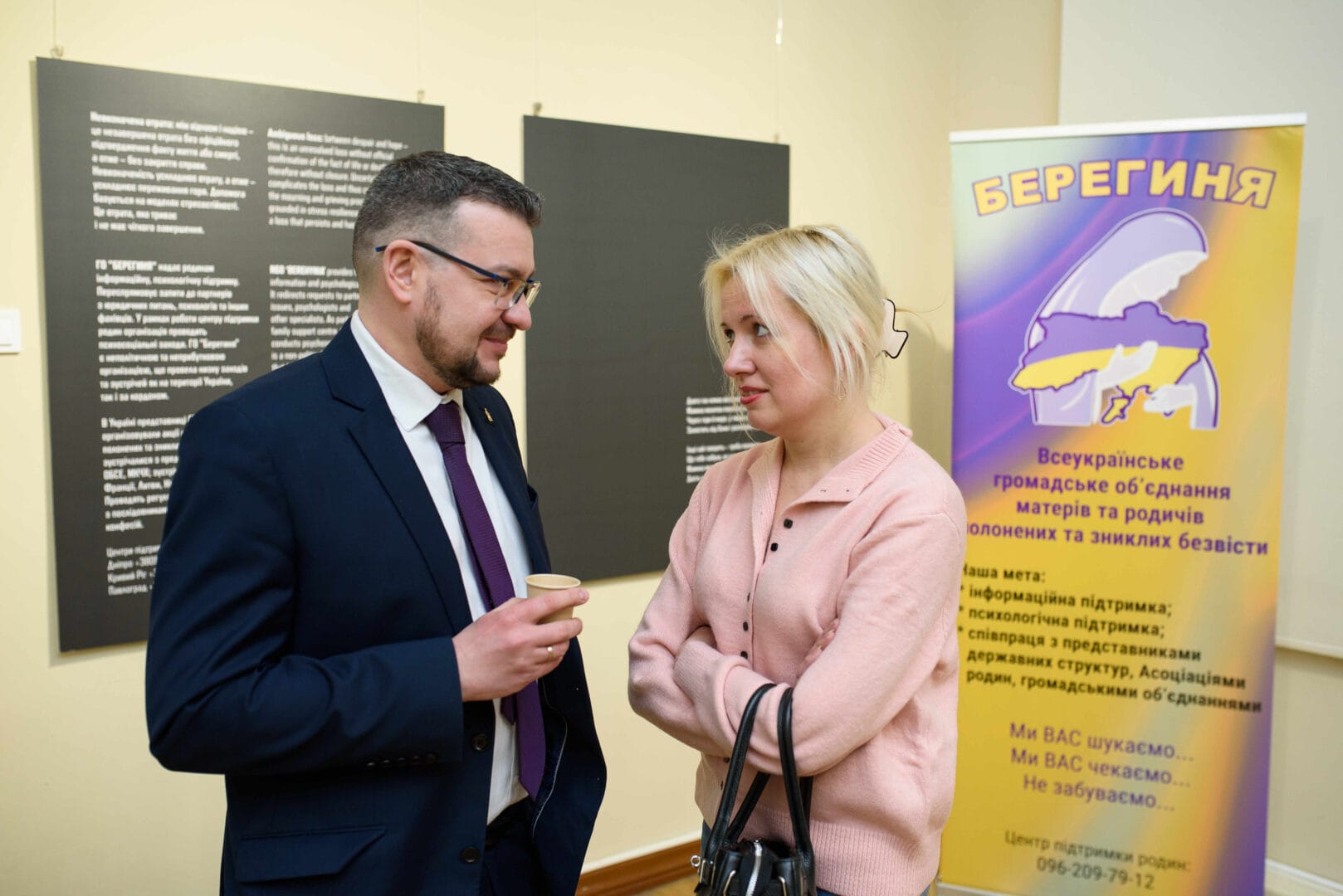
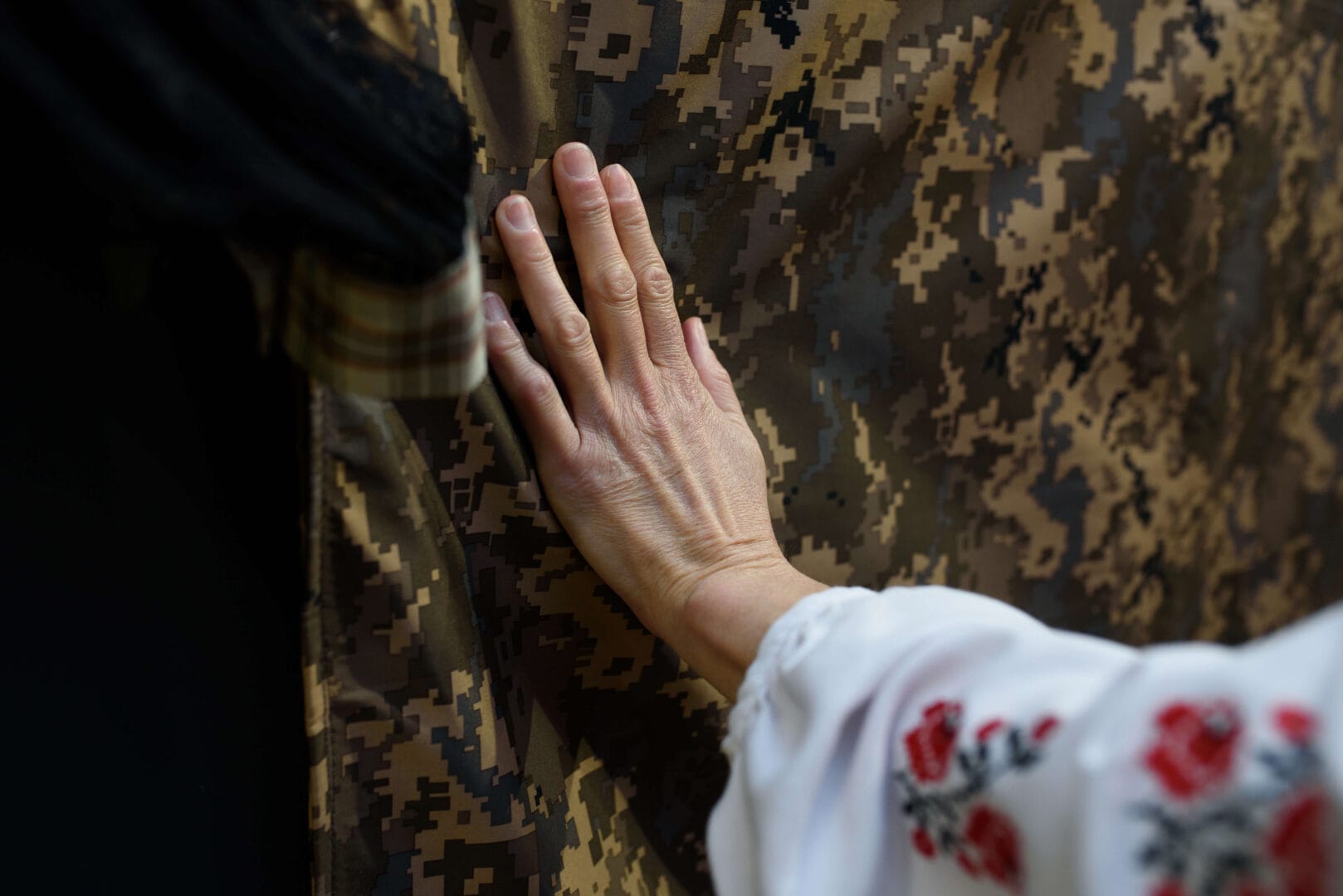
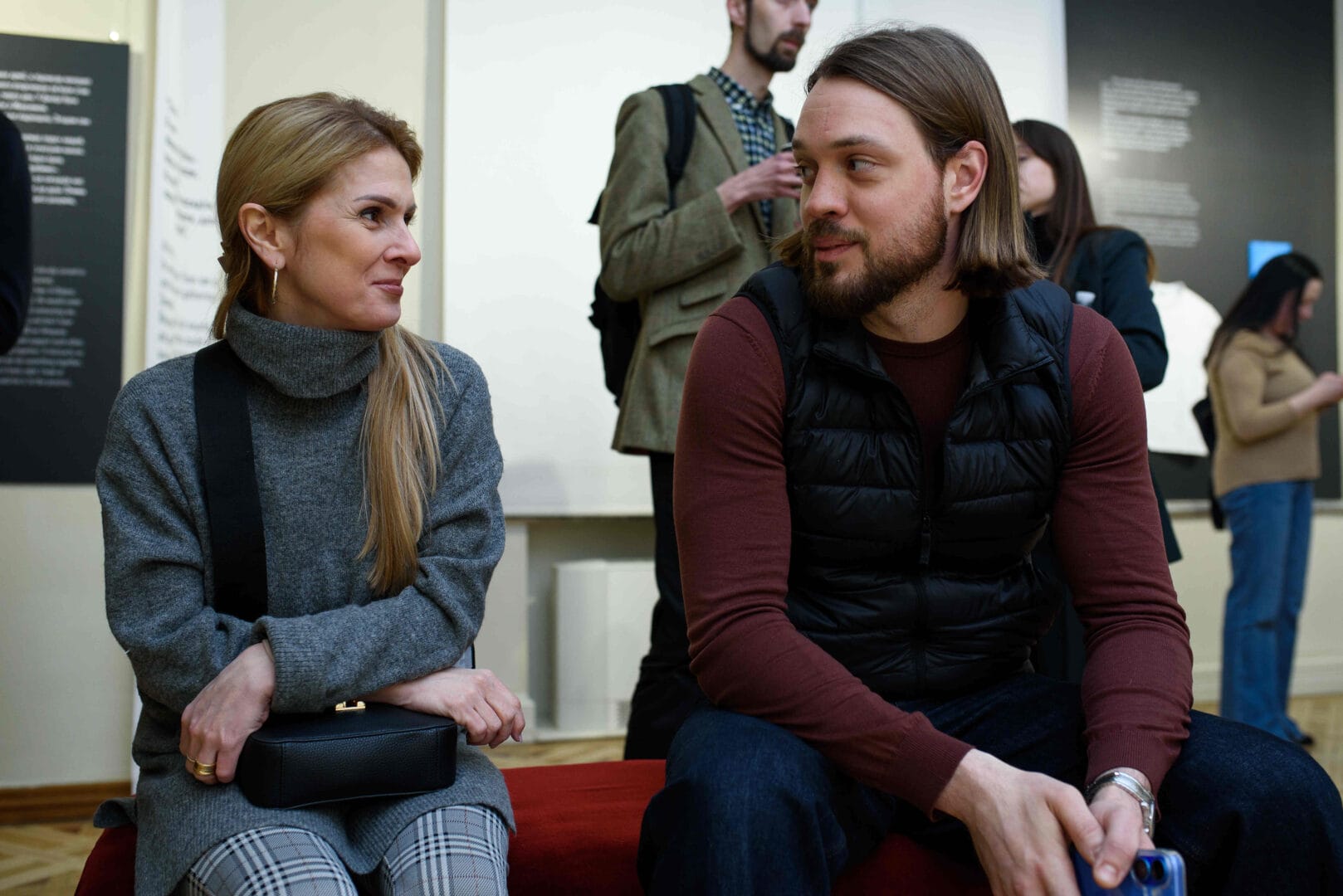
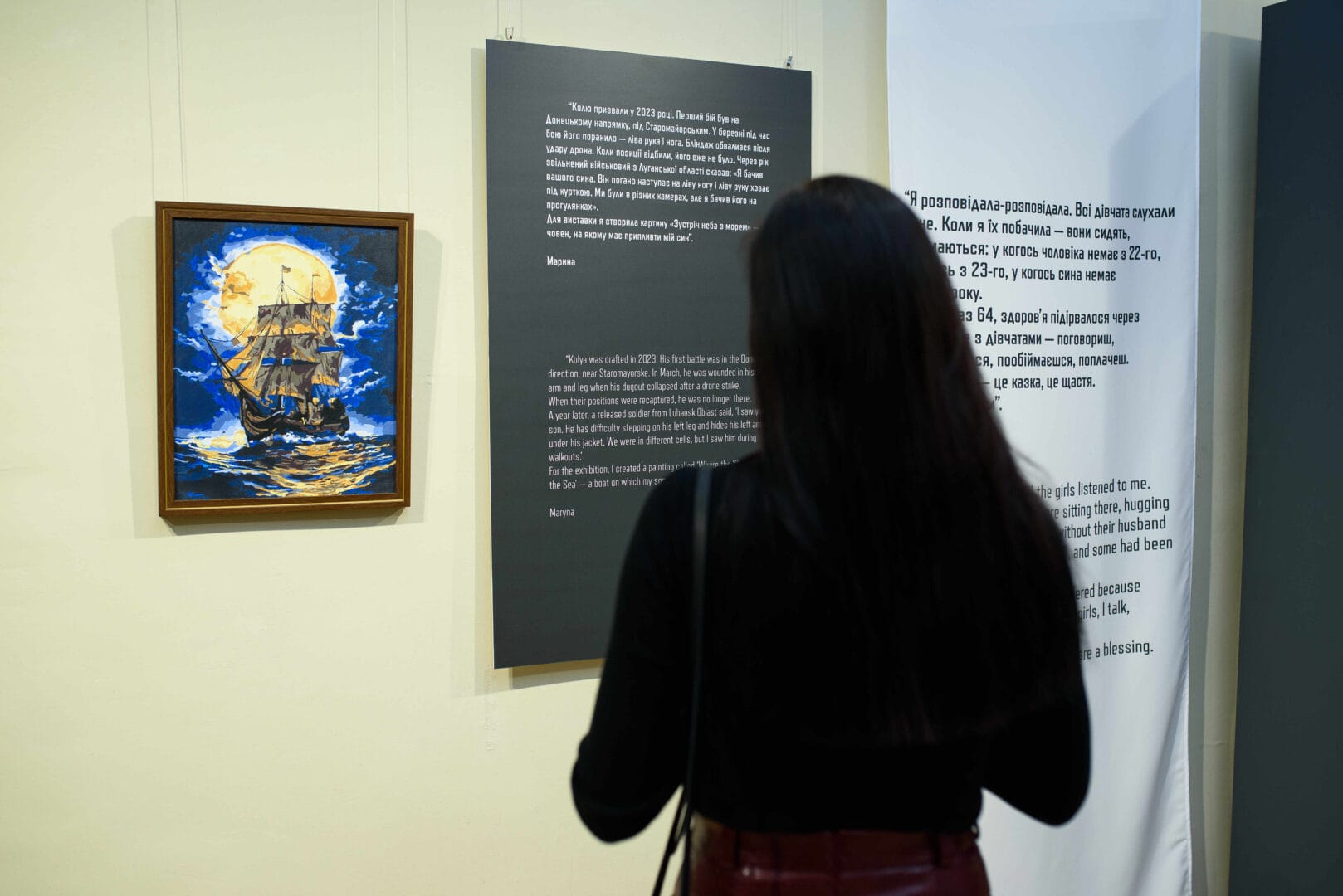
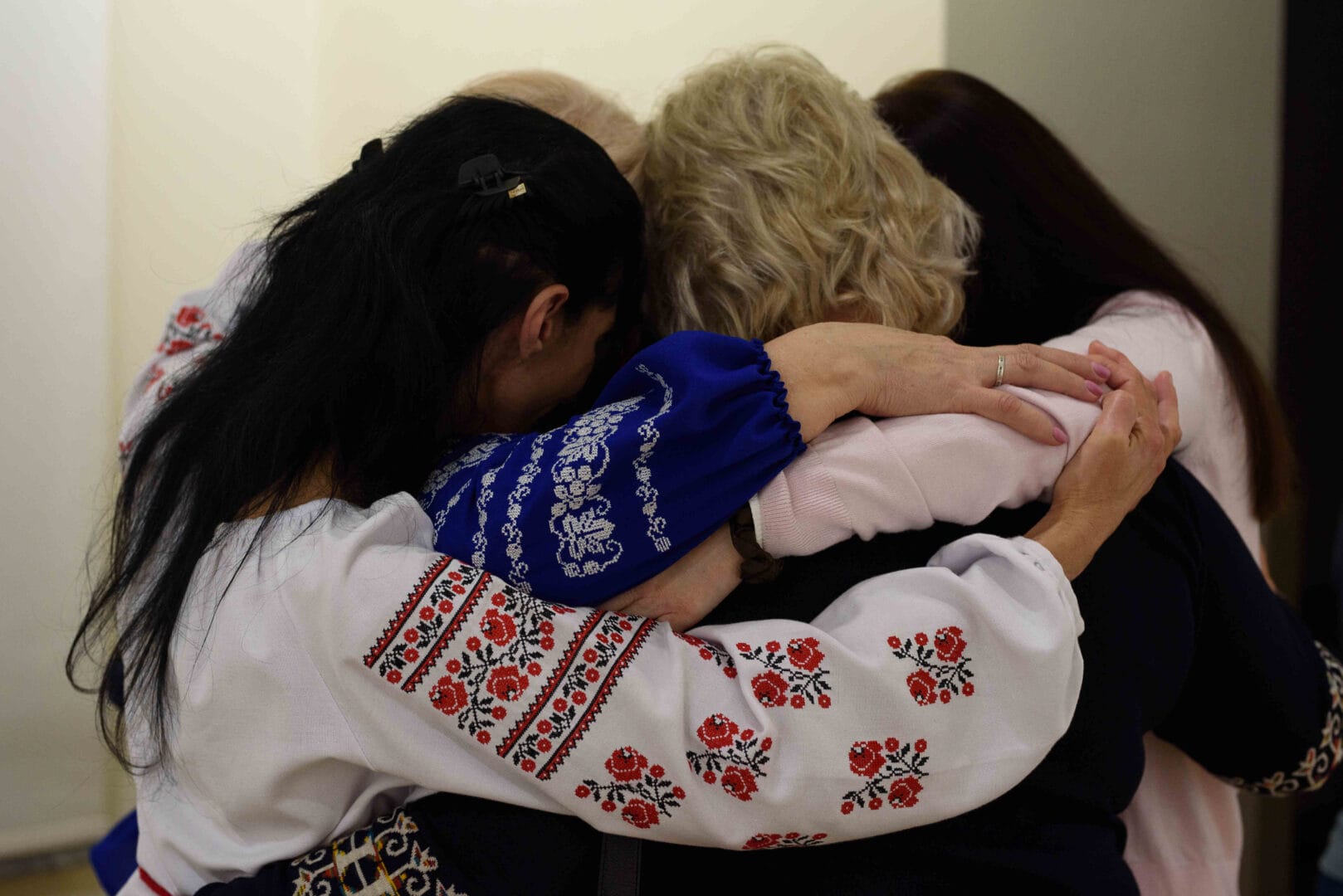
The exhibition brings together works created during gatherings of women – mothers, wives, and sisters – who live in a state of waiting. According to the founder of the NGO ‘Berehynia’, Alla Makukh, whose son went missing in 2014 and who later returned from captivity, these meetings allow women not only to create, but also to support one another and share their experiences.
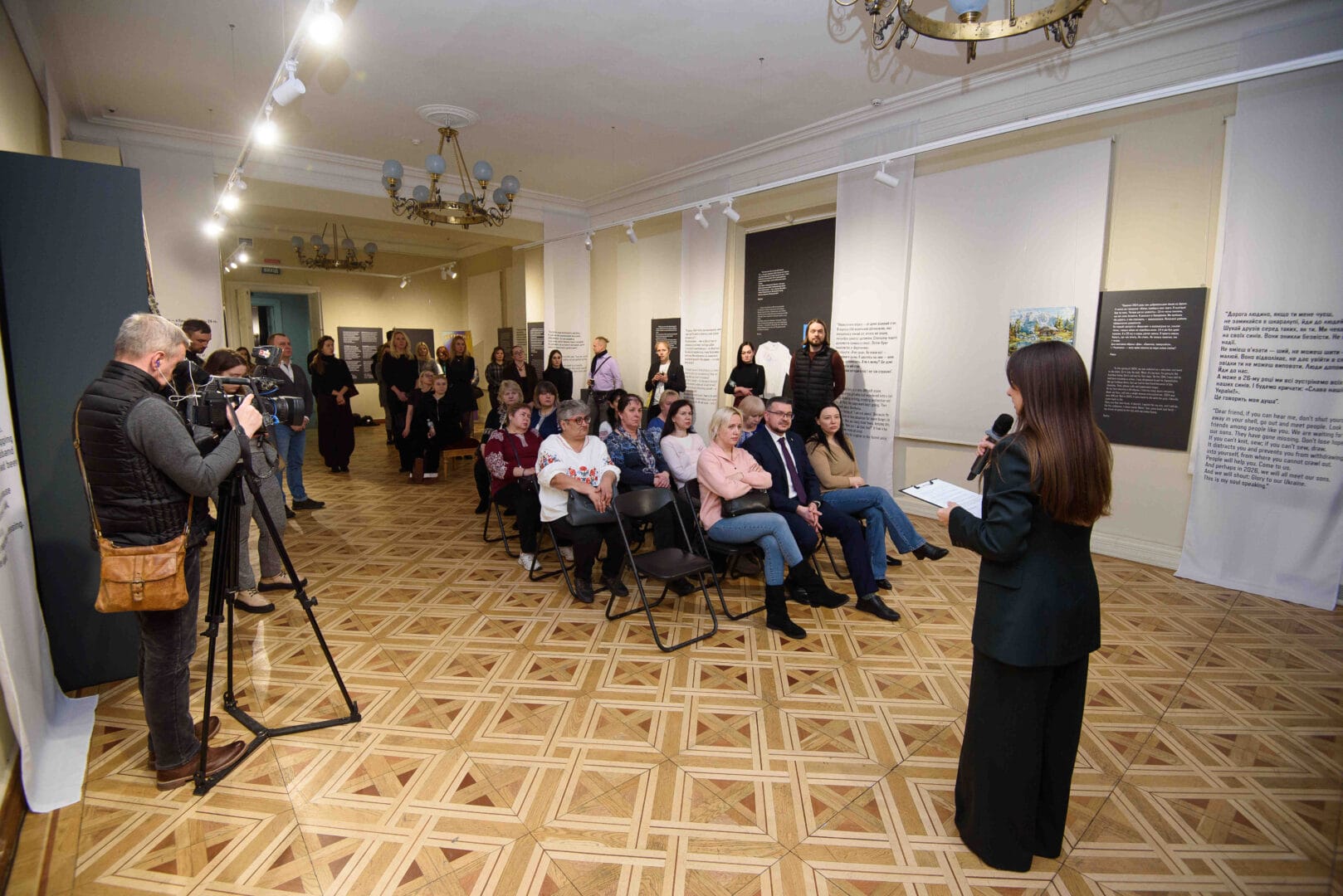
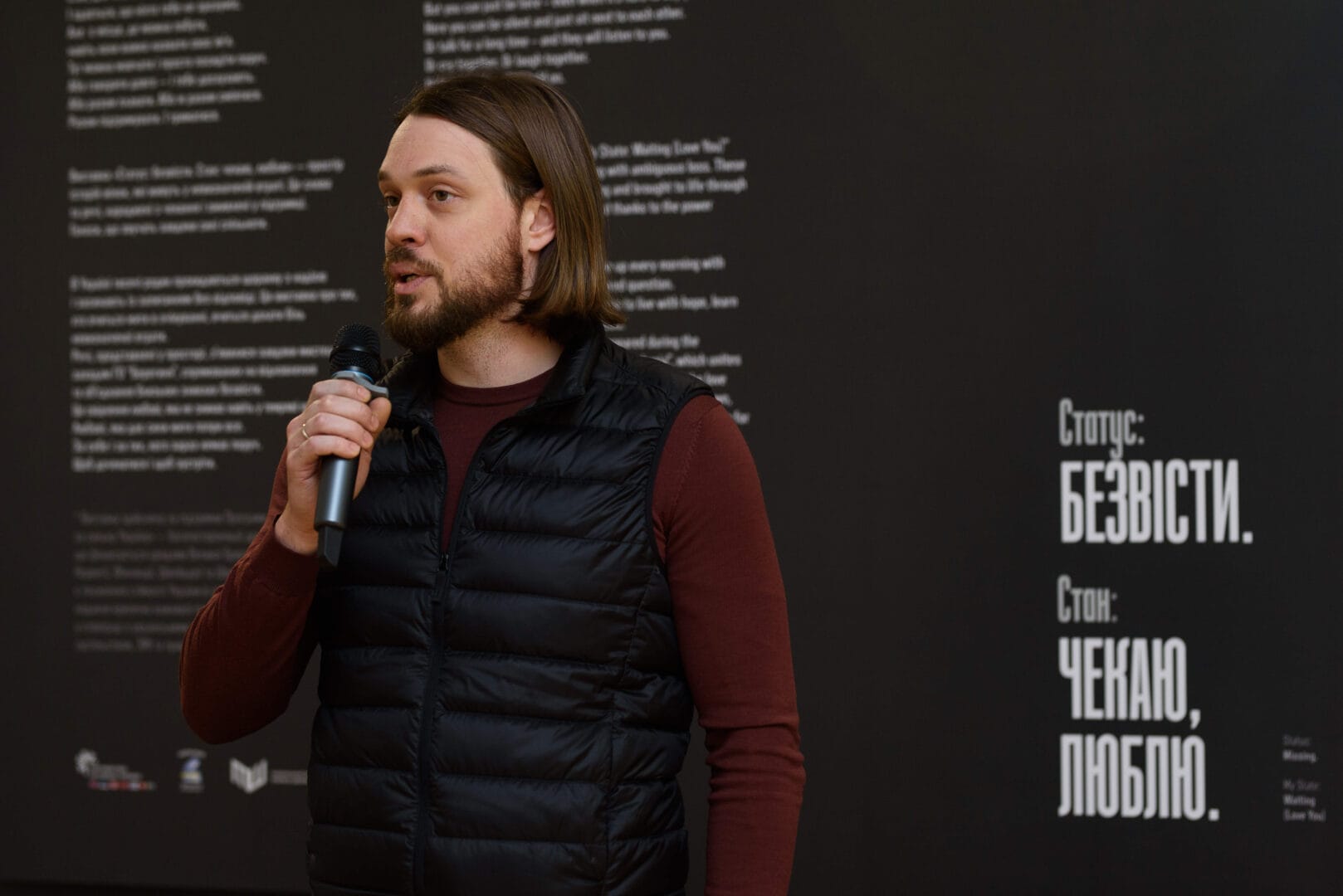
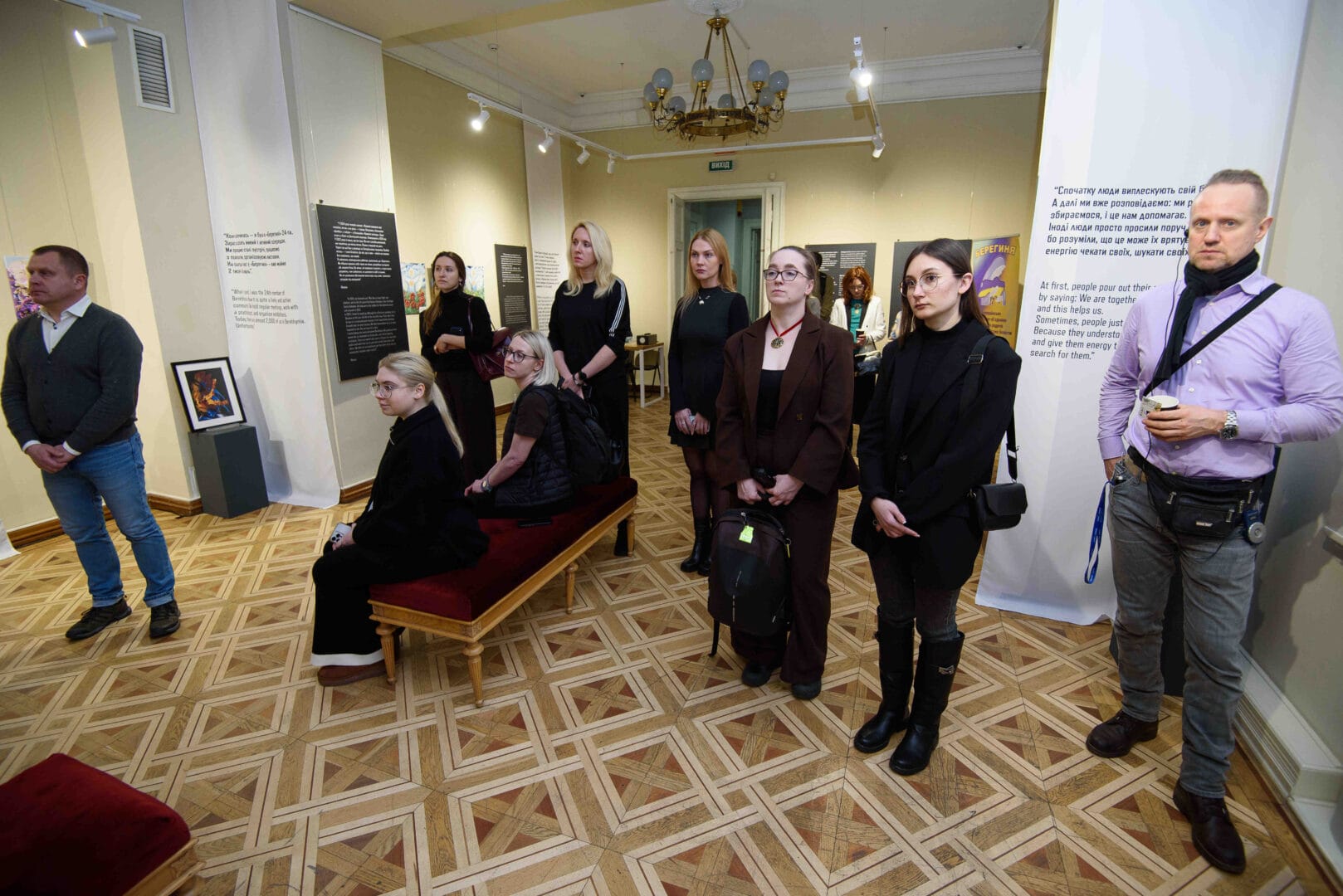
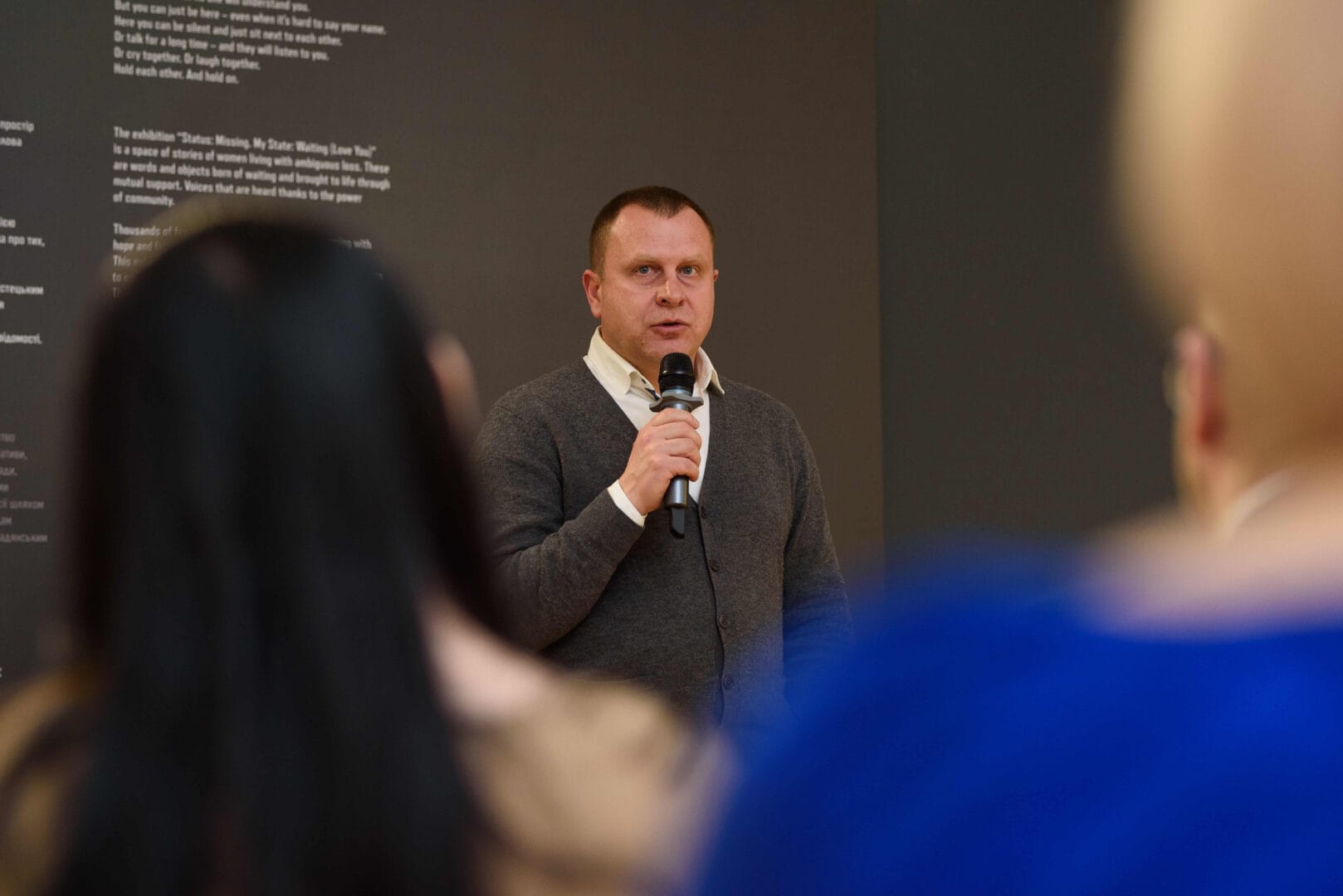
Each work is accompanied by a short story from its author, revealing a deeply personal perspective on the experience of families living between uncertainty and hope.
The exhibition unfolds in three parts:
- objects and personal stories of the women;
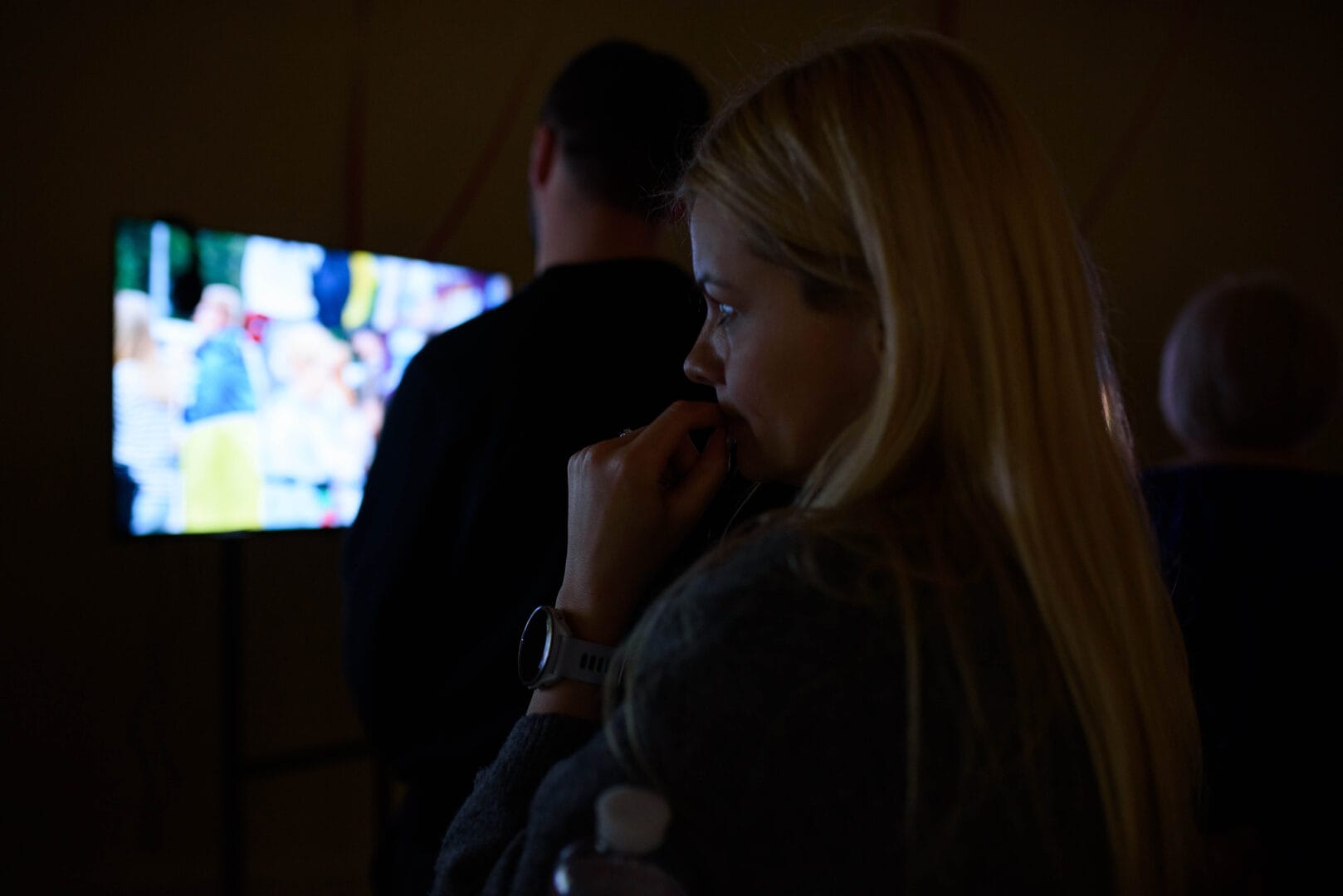
- a video installation featuring documentary interviews and the sound installation “Pulsating Pain”;
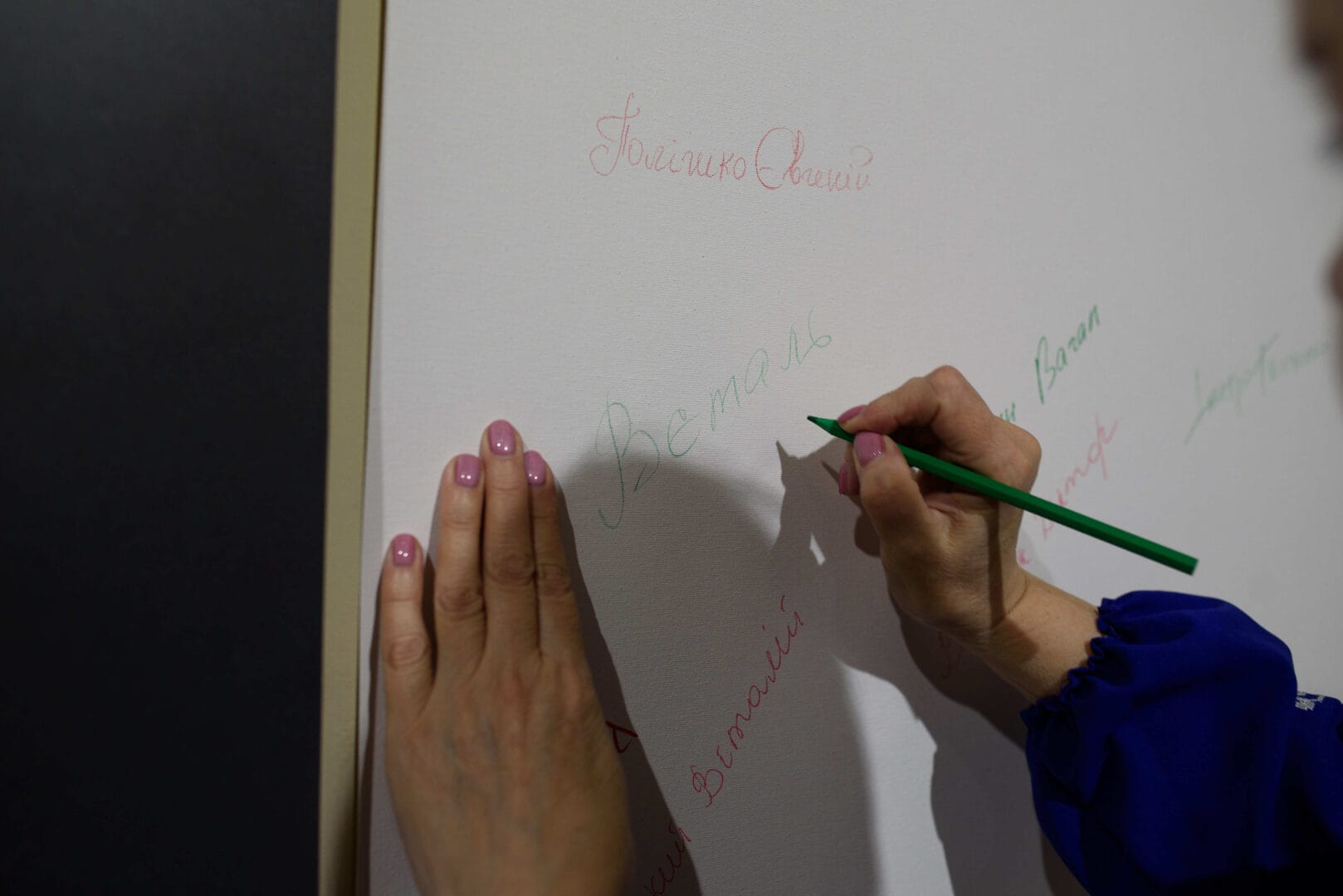
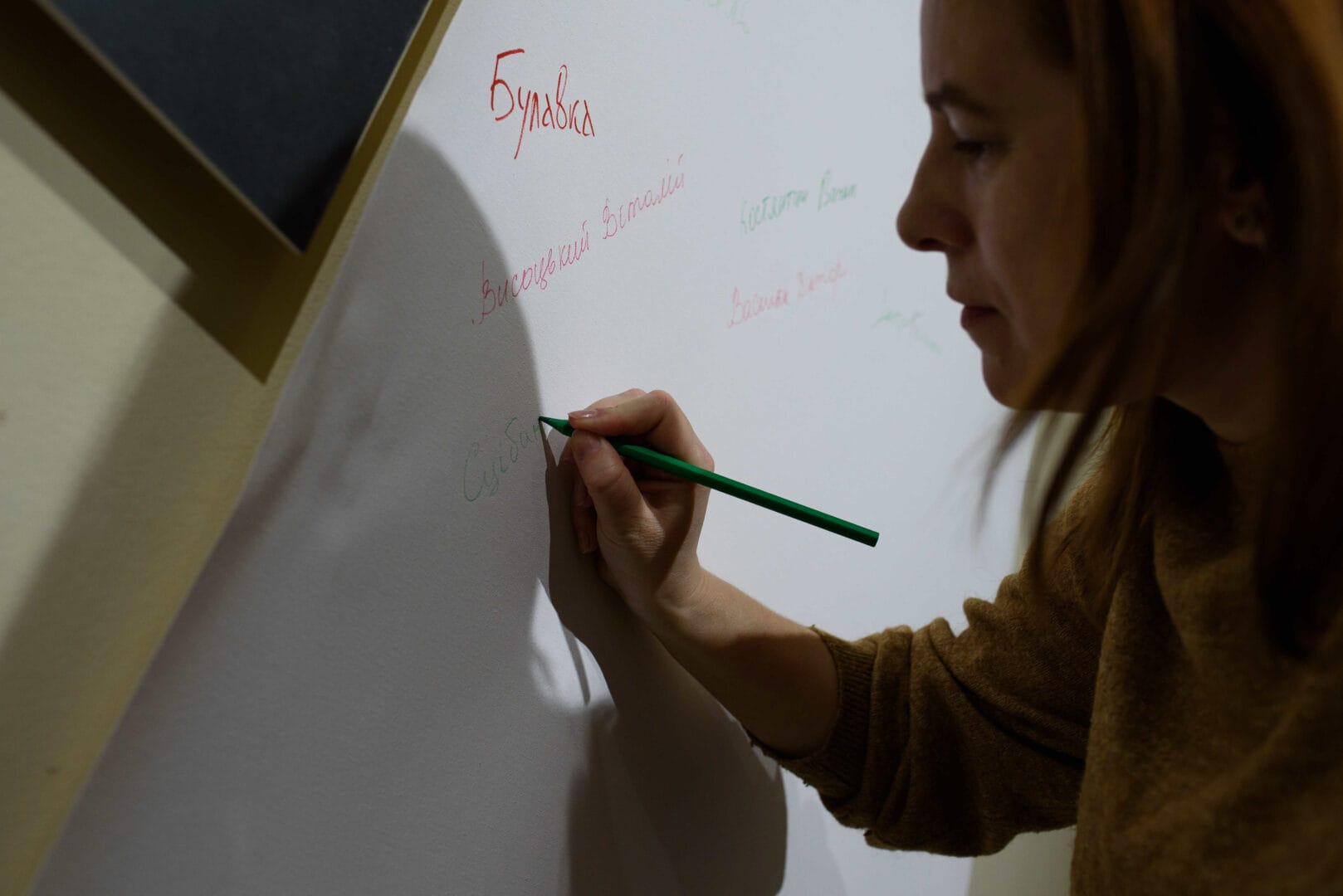
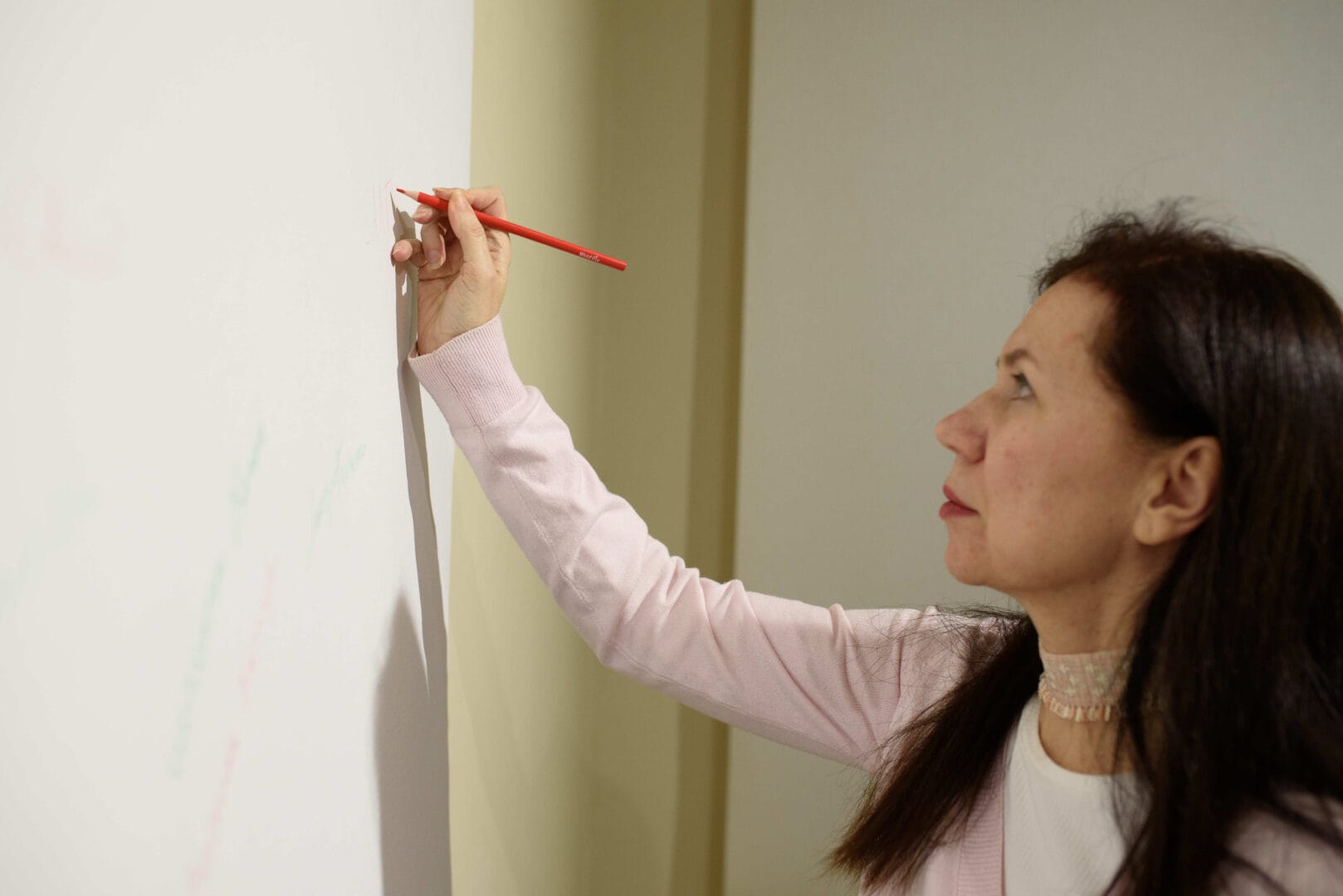
- an interactive space “War is Names”, where visitors can leave the names of those they are waiting for or have lost.
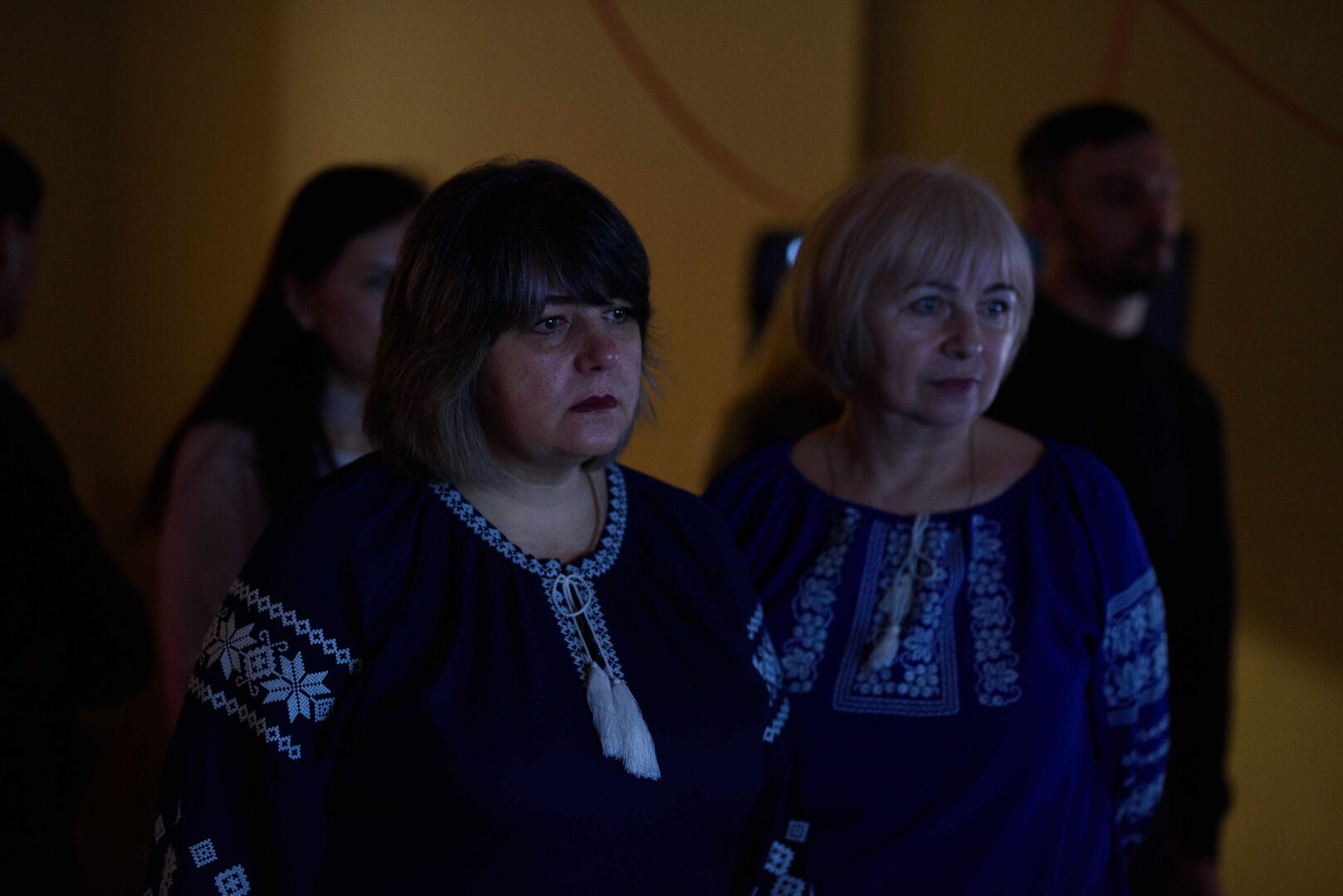
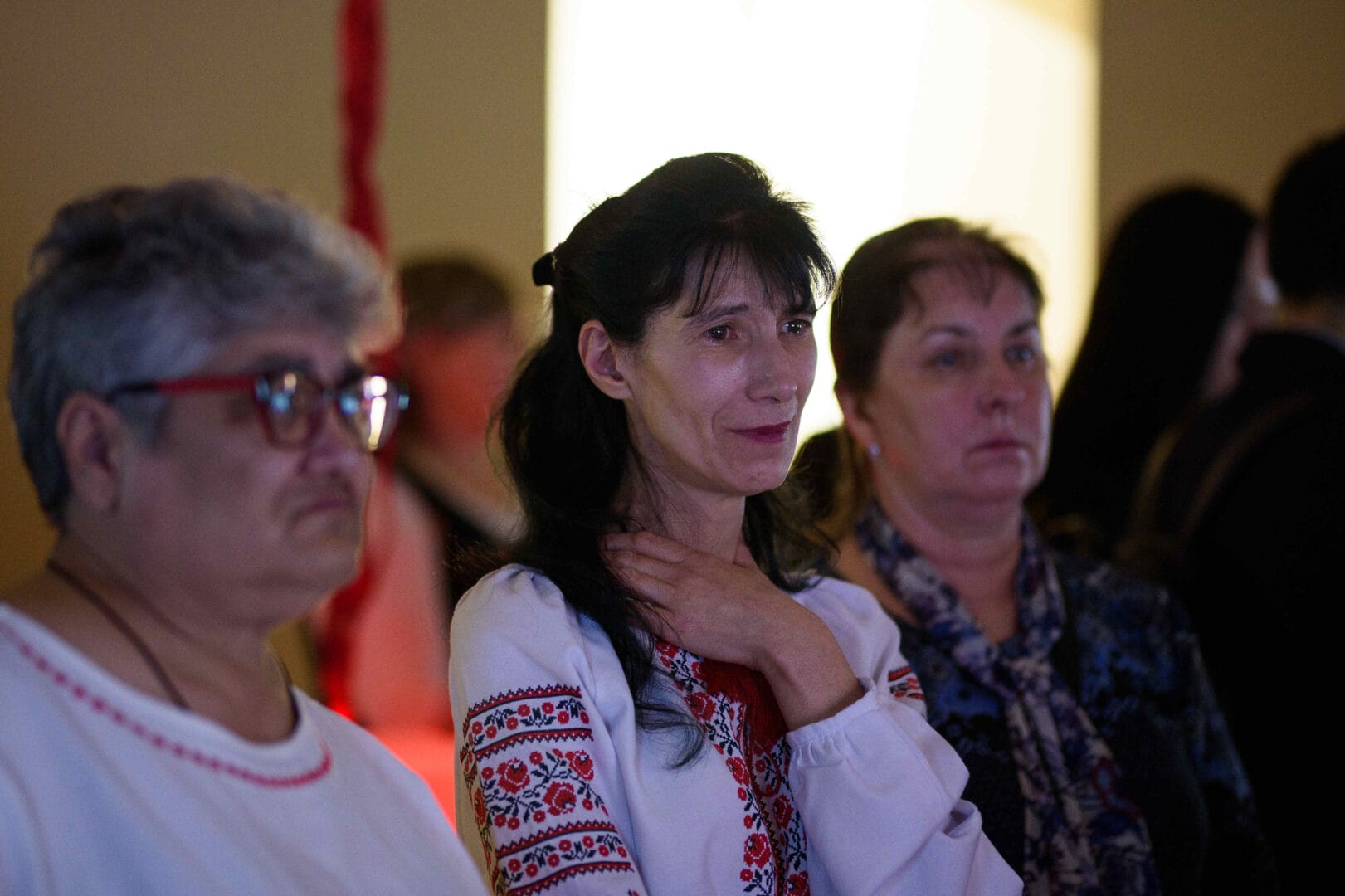
The exhibition is part of PFRU’s broader support for families of missing persons, aimed at strengthening public dialogue, raising awareness, and preserving the memory of losses brought by the war.