Culture as a Pillar of Ukraine’s Resilience
In Ukraine, identity and heritage are not separate from security – they are security. When a nation fights not only for its territory but for its existence, culture becomes an act of resistance.
Ukraine’s international partners, through the Partnership Fund for a Resilient Ukraine (PFRU), support initiatives that strengthen social cohesion and a pluralistic, united Ukrainian identity.
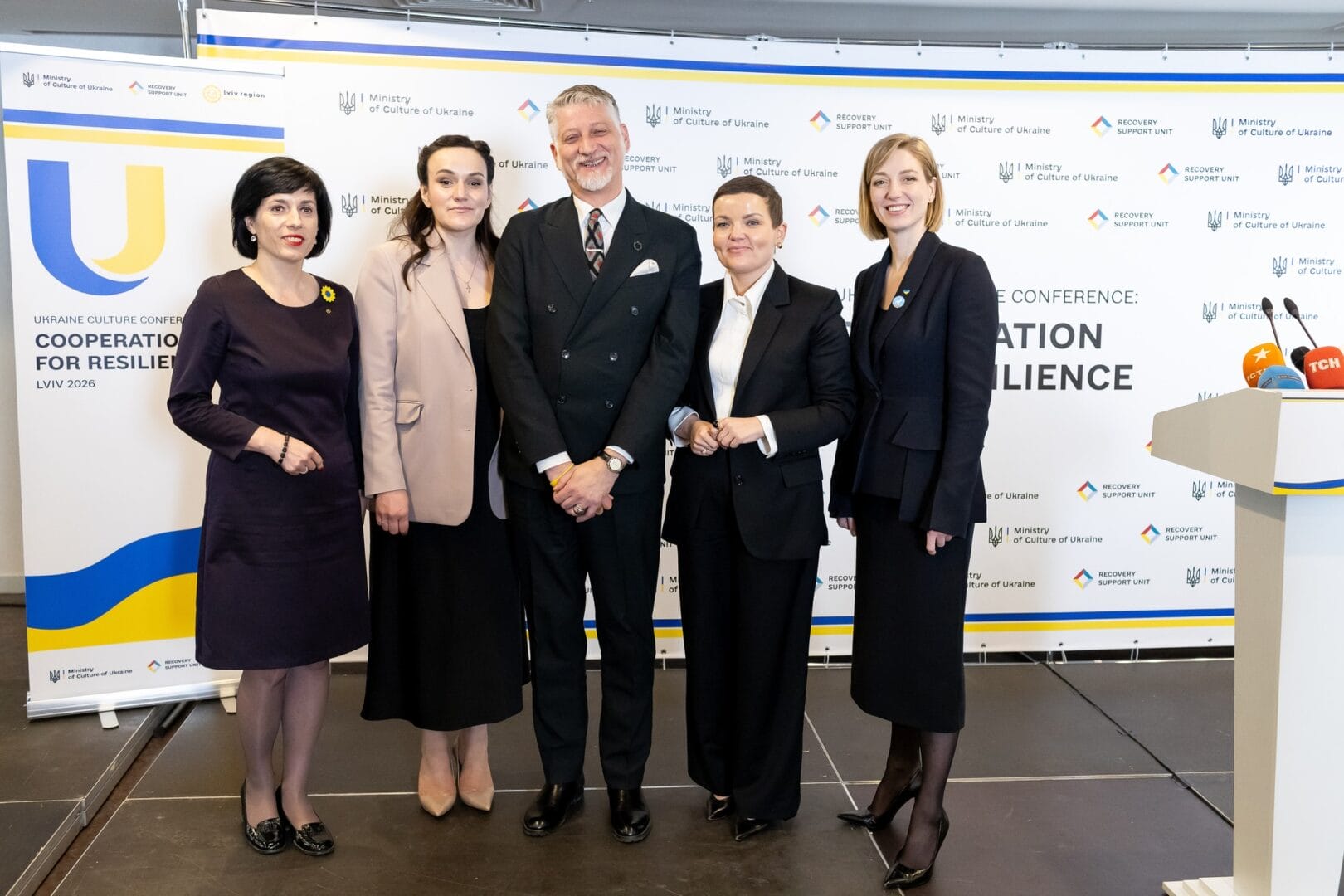
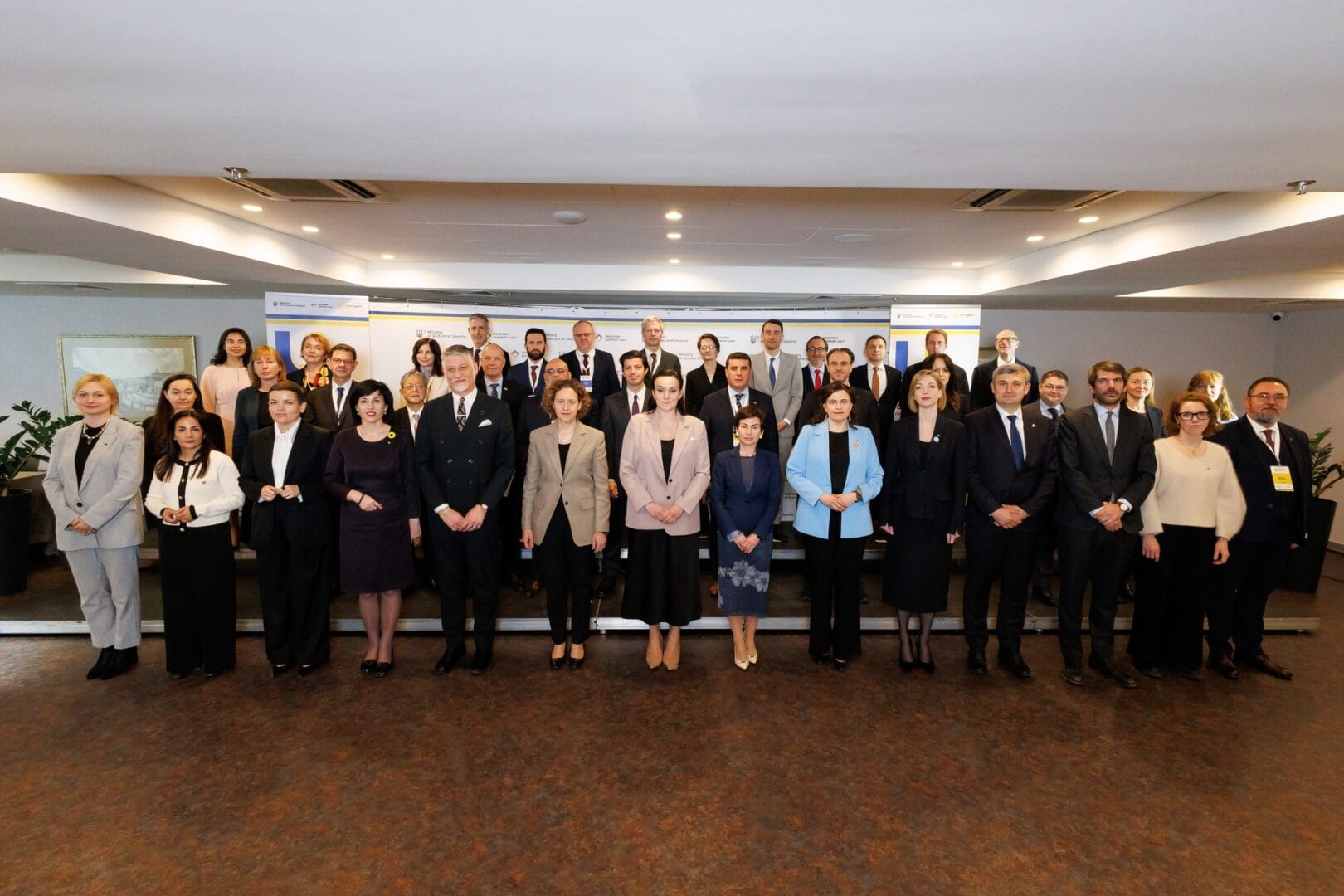
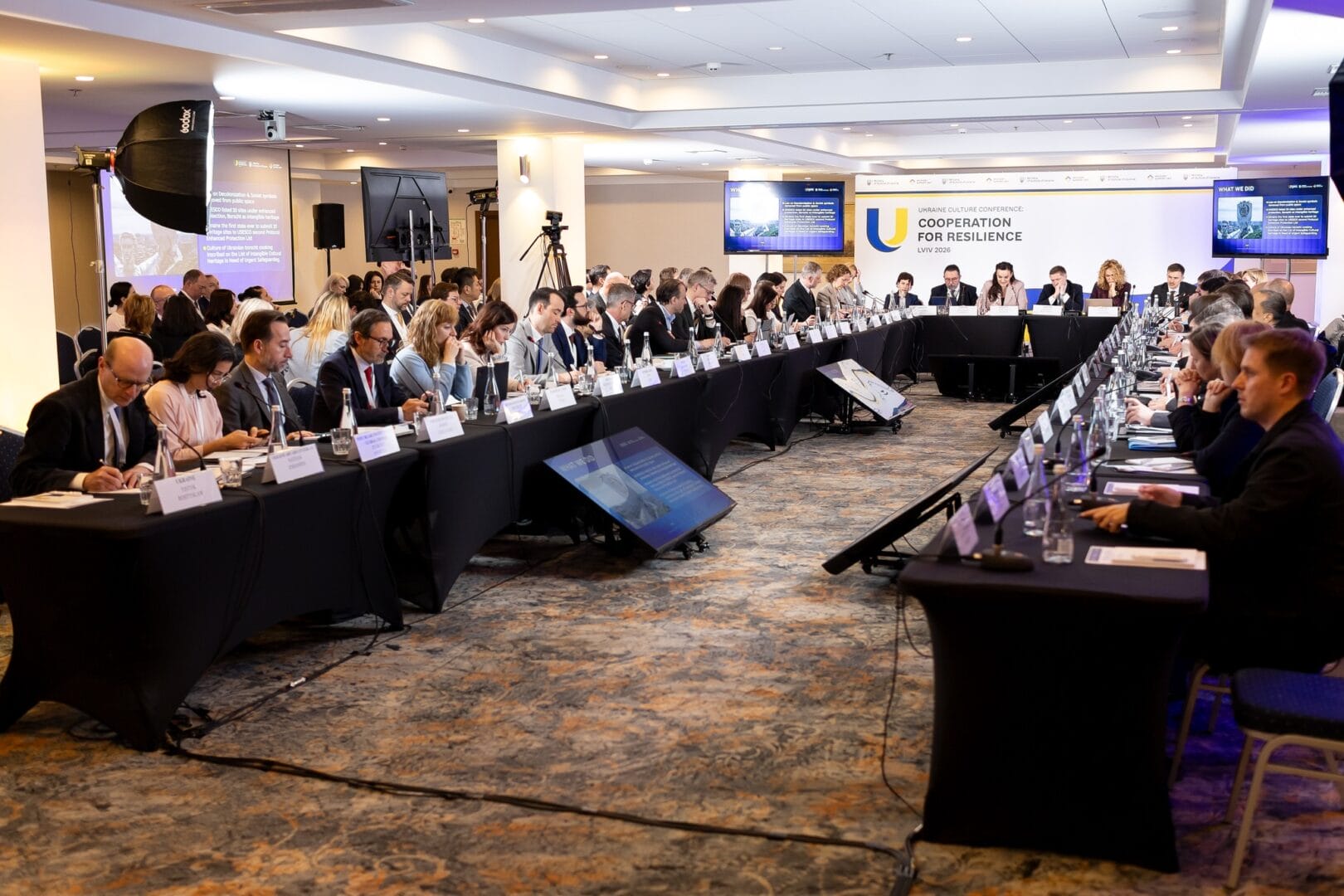
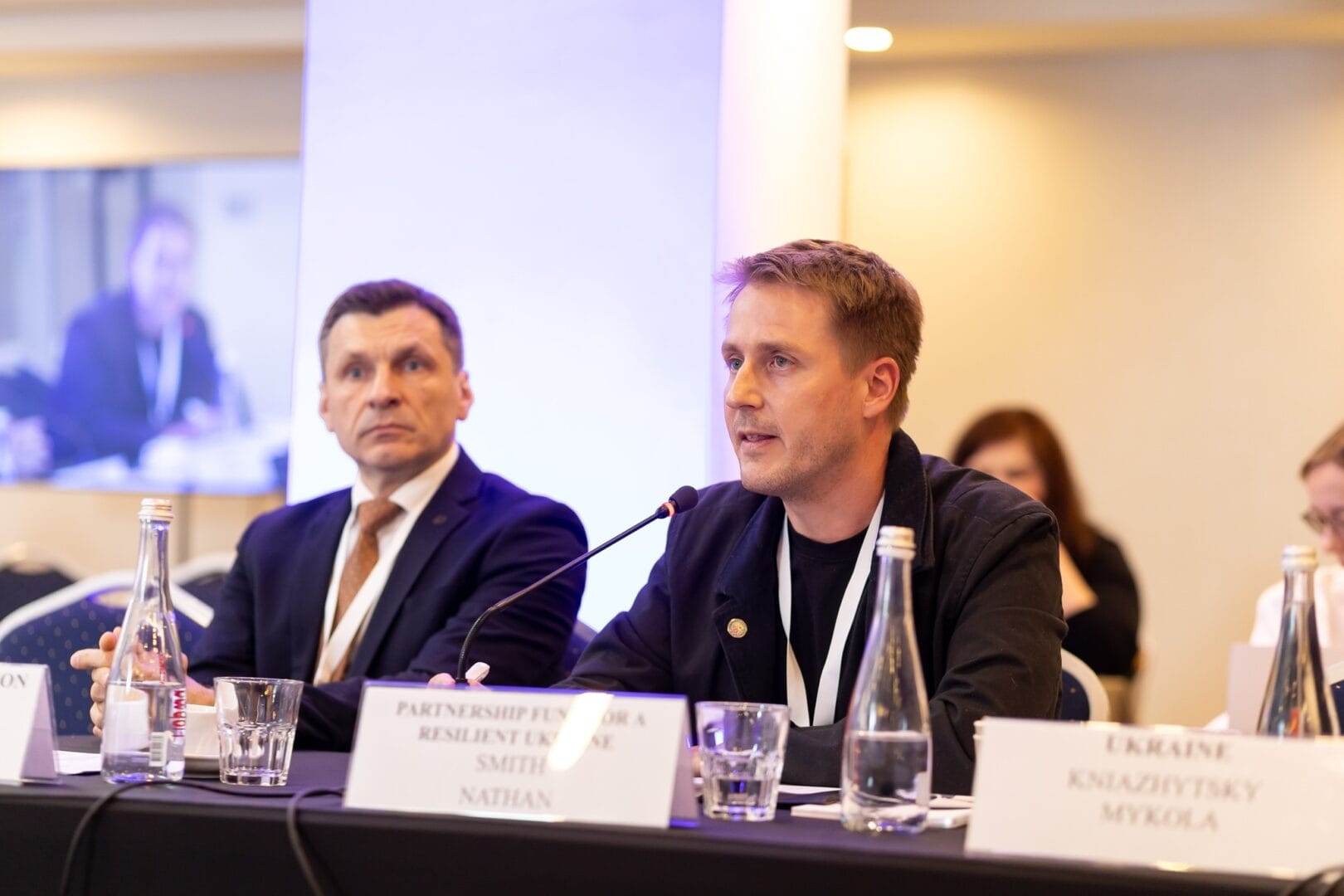
This conviction was reflected on 29–30 March, when PFRU participated in the second international conference “Cooperation for Resilience” in Lviv, organised by Ukraine’s Ministry of Culture. Forty foreign delegations attended, including ministers of culture from across Europe, alongside diplomats and international organisations. Participants explored the role of culture in Ukraine’s recovery and prospects for deeper international cooperation – in practical terms: heritage protection, institutional strengthening, and long-term recovery frameworks.
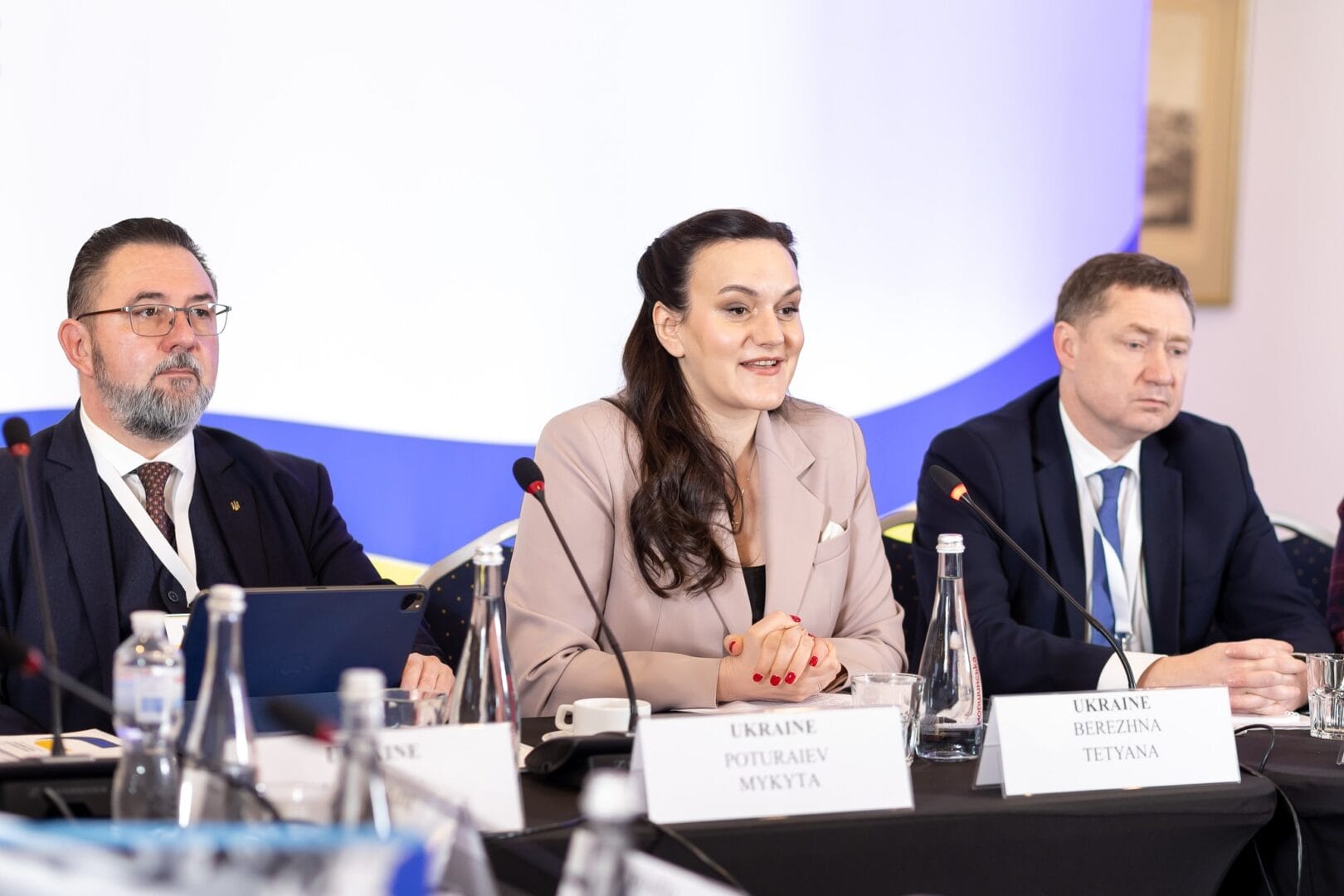
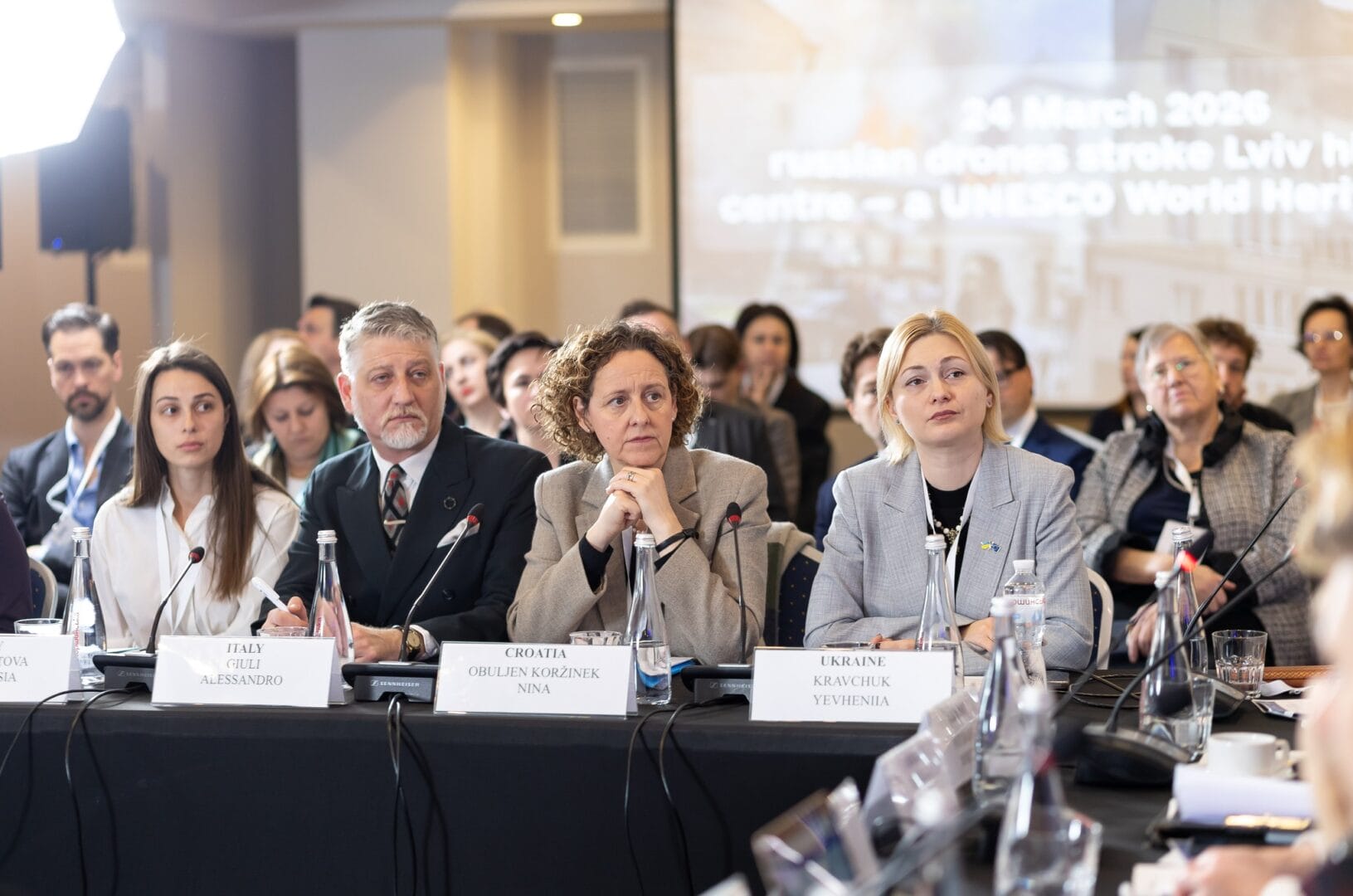
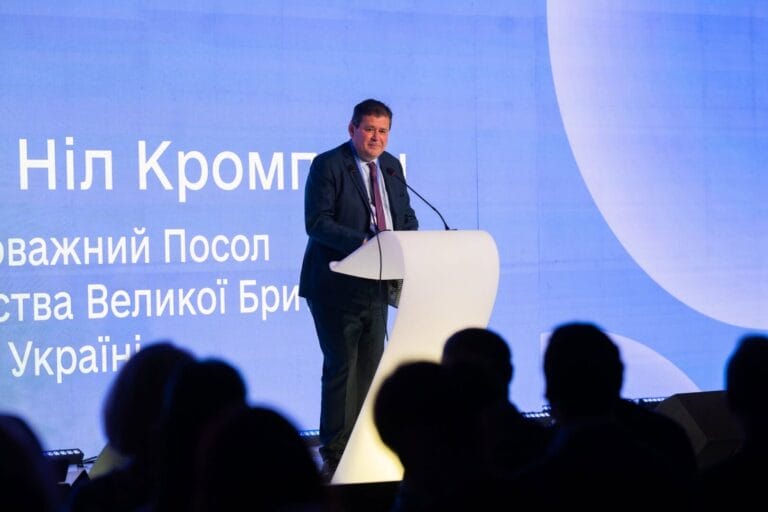
On the panel on international cooperation, Nathan Smith, PFRU’s Director of Social Cohesion Outcome, put it plainly: culture and identity are not peripheral to Ukraine’s resilience. Nowhere is this clearer than in frontline communities, where cultural actors continue to hold people together under extraordinary pressure. Russia’s deliberate targeting of Ukrainian cultural heritage is a statement of intent: this war is aimed at memory and identity as much as at land and infrastructure.
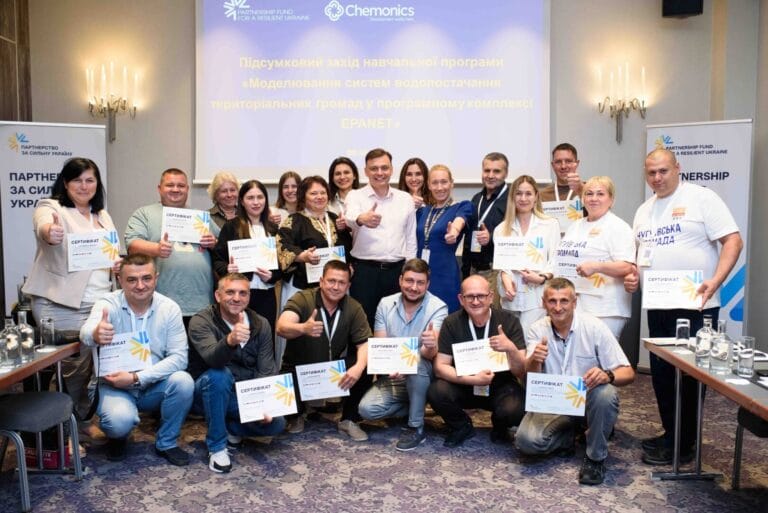
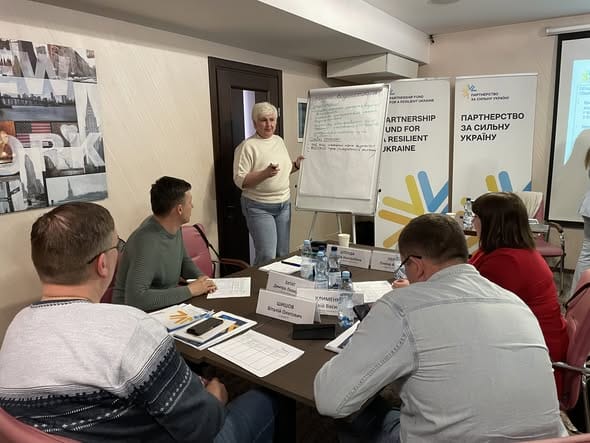
PFRU’s commitment to this agenda runs deep. The Culture and Identity project has supported the Culture Resilience Alliance (CRA) since its formal establishment at the Ukraine Recovery Conference in Rome in 2025, where partners came together around the Rome Manifesto to coordinate international cultural support for Ukraine. PFRU’s early contributions included the development of the Culture for Recovery platform methodology and support for a culturally sensitive approach to recovery through Culture for Recovery: School for Local Development, where 12 frontline communities developed infrastructural recovery projects in a culturally sensitive way.
That commitment continues to grow. Room for Heritage, now in its third phase, is on track to support over 100 organisations, including displaced NGOs preserving local culture and memory against considerable odds. PFRU has also contributed to evacuation and digitisation efforts for heritage sites, supported civil society efforts to pursue accountability for heritage crimes, and – in line with Ministry of Culture priorities – backed initiatives including Vlasna Sprava: Creative Industries and ongoing institutional reform.