- More accessible and inclusive environments in target hromadas – including improved access to public buildings, services and workplaces for people with disabilities, older people, IDPs and veterans.
- Better organised and more responsive local social and mental-health services, with clearer local procedures, referral pathways and case-management systems, and a better-skilled workforce.
Resilient Populations (RP)
Resilient Populations project aims to catalyse socio-economic participation, inclusive and quality service delivery and civil participation for vulnerable groups, helping them to overcome obstacles and access opportunities, thereby enhancing horizontal and vertical cooperation between individuals, communities and the state. In its target geographies, it seeks to lower entry barriers and to strengthen the formal and informal support networks that can facilitate individuals’ healing, inclusion and sense of belonging in Ukrainian society.
Resilient Populations supports Ukraine to turn national ambitions on inclusion, barrier-free access, social services (including MHPSS) and youth and veterans’ policy into visible, practical changes in war-affected communities.
The project works through three interconnected “social inclusion pathways”:
- Preparedness – helping local systems get ready to receive and include vulnerable groups by improving access, planning, coordination and service capacity.
- Shared public space – developing inclusive physical and social spaces where different groups can meet, access services and participate in community life.
- Transition – supporting individuals to move from isolation and exclusion to mainstream services, employment and education.
To deliver this, Resilient Populations focuses on three main workstreams:
Barrier-Free and Inclusive Environment
Adapting public infrastructure, services and workplaces so that they are accessible to all.
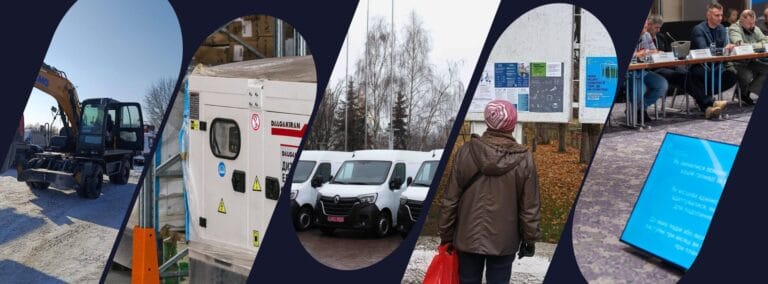
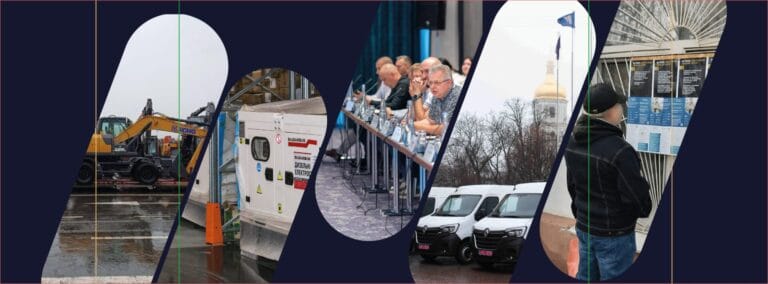
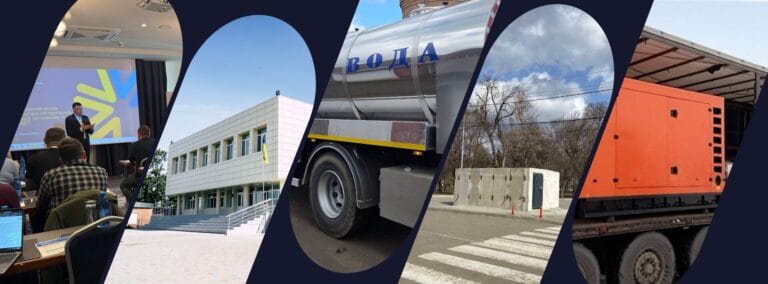
- Supporting hromadas to improve the physical accessibility of public infrastructure (for example, improving access routes to social, educational and cultural facilities; small-scale works; adaptive equipment and vehicles).
- Improving access to education, reskilling and retraining opportunities for target groups.
- Providing technical assistance and training to local authorities, architects, service providers and businesses on universal design, accessible communication and service provision, and inclusive employment practices.
- Raising awareness of barrier-free culture and the benefits of inclusive environments for communities and local economies.
Social Services Pathways (incl. mental health and psychosocial support)
Improving the quality and accessibility of key social and mental-health services at hromada level.
- Supporting national initiatives such as the Diia.Osvita educational project and the national mental-health learning platform, which provide evidence-based training for frontline and non-specialised providers.
- Helping hromadas adapt oblast-level Mental Health Action Plans into local mental-health action plans.
- Strengthening case-management and referral systems so that people are identified early and guided through the system.
- Building capacity of social workers, psychologists, teachers, youth-centre staff, rehabilitation specialists, veteran-support specialists and other front-line providers, including measures to prevent burnout and protect workforce wellbeing.
- Supporting local authorities to use data and simple forecasting tools to plan and prioritise social services based on real needs.
Community Engagement and Civic Cohesion
Supporting community spaces and civic participation that connect people and strengthen local identity
- Providing technical and material support to Resilience Centres and other community access points – such as youth hubs, veteran spaces and family support centres – so they can serve as inclusive first point of contact to services, information and participation.
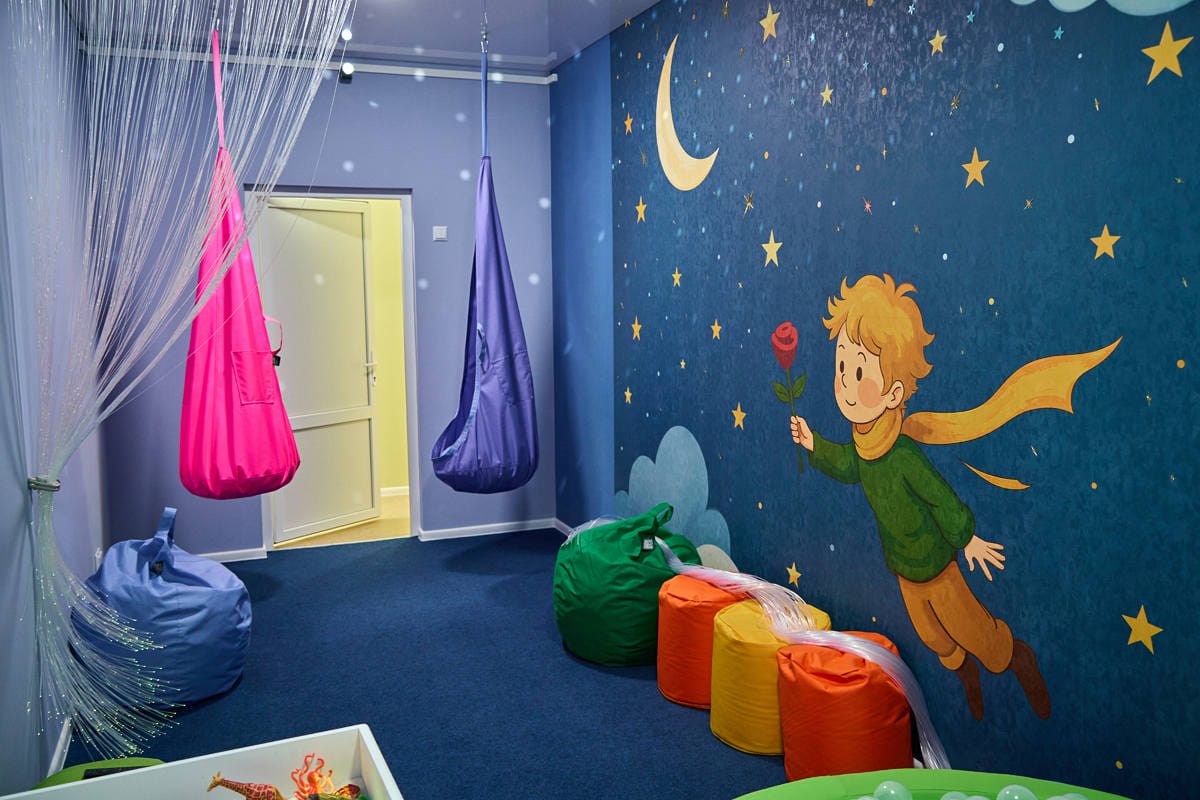
- Supporting the development of multipurpose community spaces that combine service access, learning, cultural activities and civic engagement, and that are physically and socially accessible to different groups
- Support to community-led events and initiatives that bring different groups together, foster dialogue and encourage participation in local decision-making.
- Developing civic-education and participation activities (for example, with youth councils and other local platforms) to strengthen people’s ability to understand and influence decisions that affect them.
- Where appropriate, supporting behaviour-change and awareness efforts that promote inclusion, reduce stigma and build a shared sense of belonging.
Results
Over the life of the project, Resilient Populations aims to achieve:
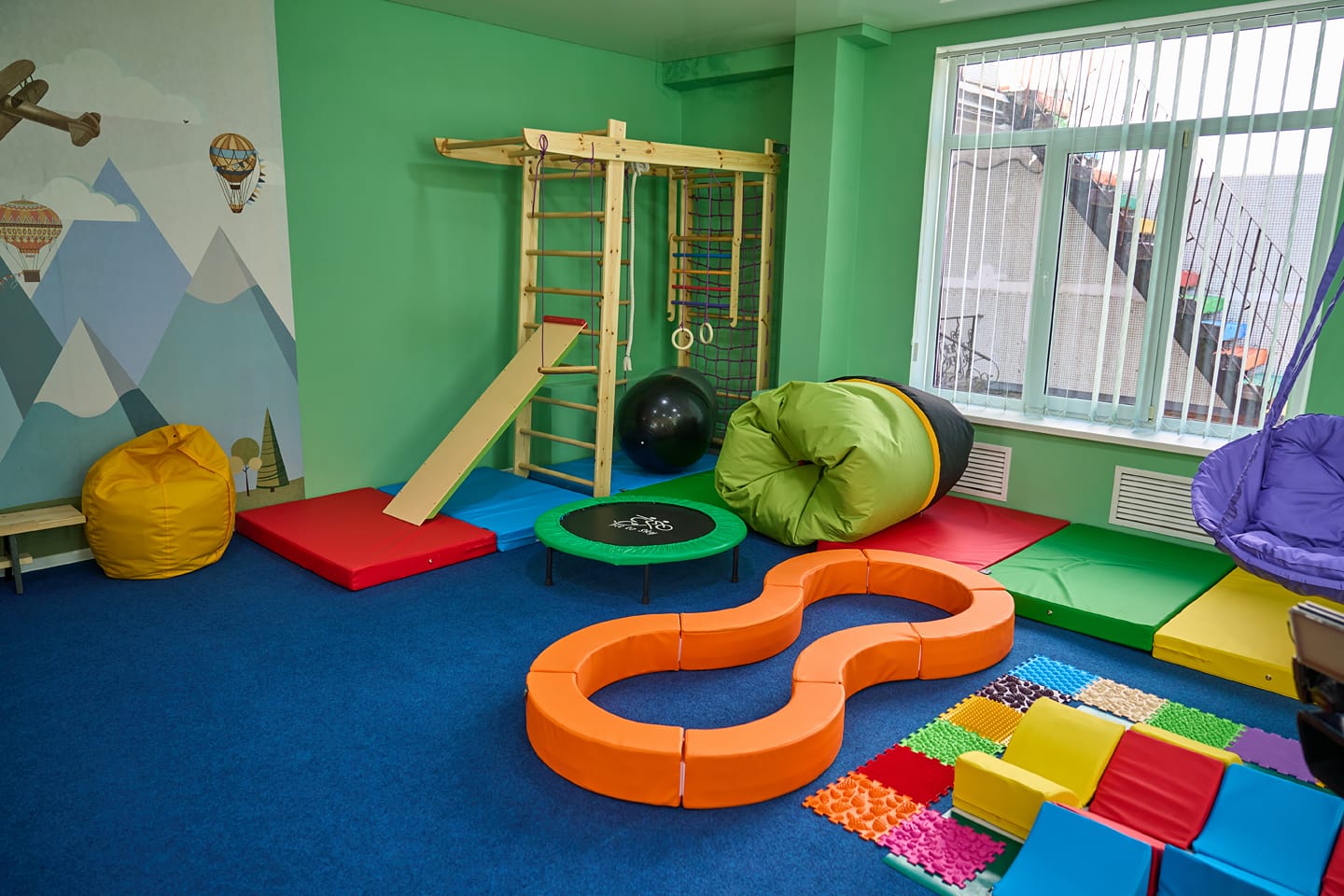
- Stronger, more inclusive public and community spaces – both physical and social – where people from different backgrounds can meet, access services, participate in community life and feel part of the Ukrainian polity.
- Improved participation of target groups in local decision-making.
- Evidence and learning for national policy, generated from practical implementation in hromadas and shared with central authorities and other strategic projects to inform future reforms.